





The Best Time Of Day For An Outdoor Wedding Ceremony
 Back
Back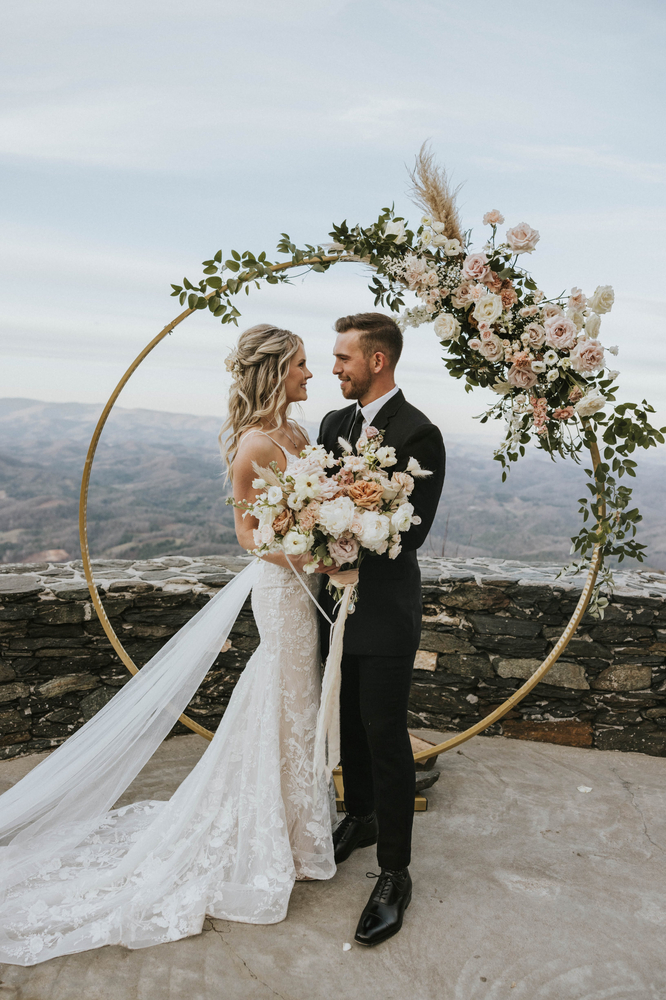

So… here’s the thing.
You can pick the most beautiful venue, the dreamiest flowers, the perfect playlist… and still feel like something’s a little off on your wedding day.
And a lot of the time?
It comes down to timing.
Not the big stuff. Not the vows. Just the exact hour you say “I do.”
Sounds small. It’s not.
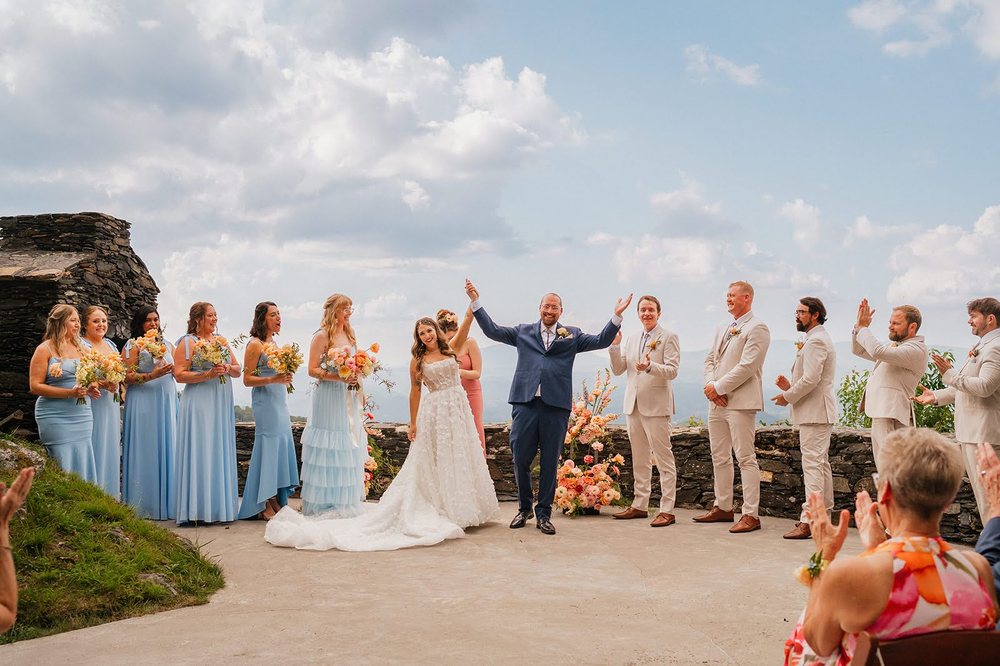
Why this actually matters more than you think
If you’re planning an outdoor wedding, you’re basically working with nature as your co-planner. And nature… does what it wants.
The light changes. The temperature shifts. The whole vibe of your day can feel completely different depending on when your ceremony starts.
You know that soft, glowing, Pinterest-perfect wedding photo? Yeah, that’s not luck. That’s timing.
And on the flip side… harsh sunlight, squinting guests, sweaty makeup? Also timing.
So yeah. This decision quietly affects everything:
How your photos turn out
How comfortable your guests feel
The mood of your ceremony
How smooth your timeline flows
Get it right, and the whole day feels easy.
Get it wrong, and things feel… just a little harder than they should.
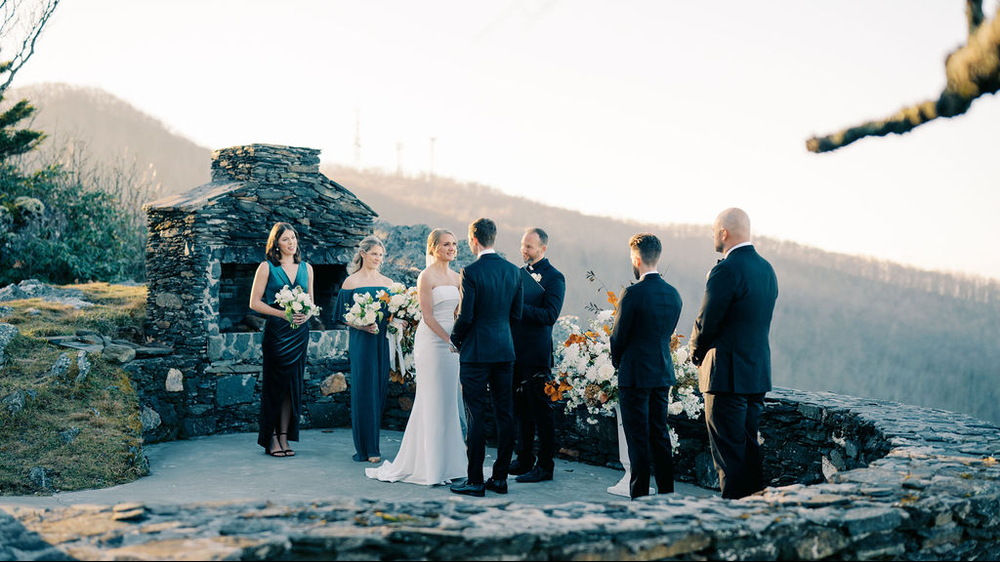
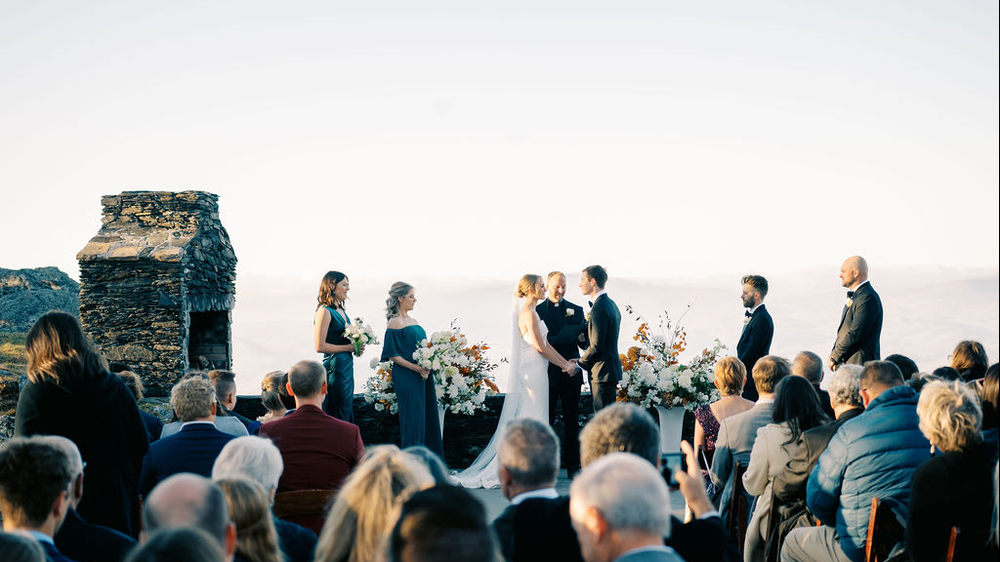
Morning weddings: calm, light, and kind of underrated
So imagine this…
It’s 9:30 in the morning. The air is still cool. Everything feels fresh. There’s this quiet, peaceful energy before the day fully wakes up.
That’s a morning wedding.
A lot of couples don’t even consider it, but honestly? It can be really beautiful.
You get:
Cooler temperatures (huge win if you're in a warm place)
Bright, natural light everywhere
A relaxed, almost intimate vibe
The perfect excuse for a brunch reception (which people secretly love)
But yeah, it’s not perfect.
You’ll be waking up early. Like… really early for hair and makeup. And that bright sunlight? It can be a bit intense in photos if you’re not careful.
Still, if you want something simple, joyful, and a little different, this is a solid choice.
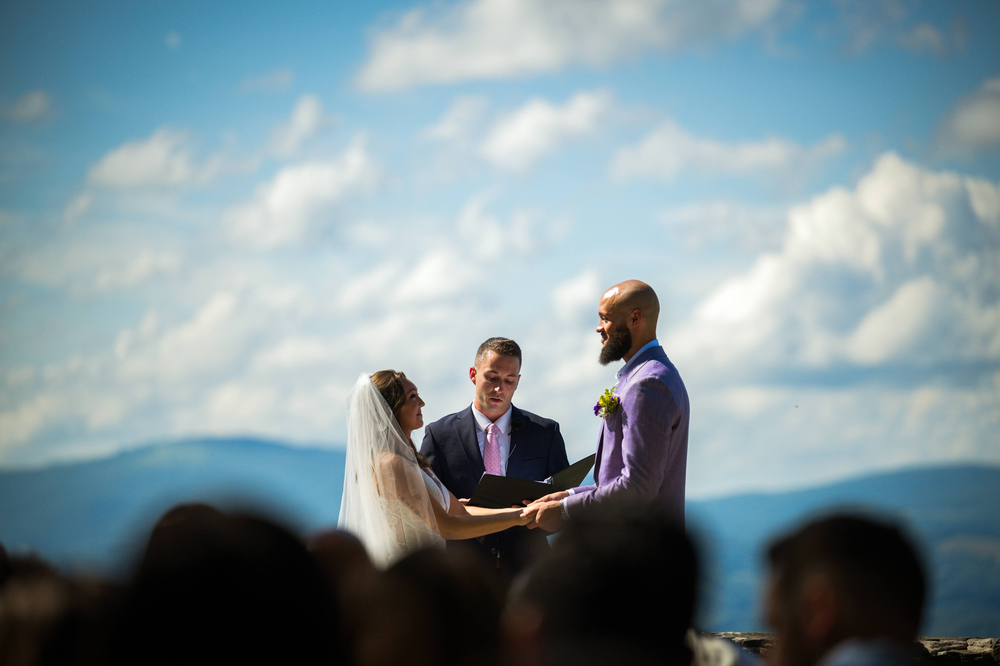
Midday ceremonies: looks classic… feels tricky
Okay, so this is the “traditional” time. Noon to around 2 PM.
And on paper, it sounds easy. Everyone’s awake. The day’s in full swing. No weird scheduling issues.
But here’s the honest part…
Midday light is kind of the worst for outdoor weddings.
The sun sits right above you, which means:
Strong shadows under your eyes
Guests squinting (and fanning themselves)
Heat, depending on the season
Photos that feel a bit harsh instead of soft
Now, if your venue has a lot of shade, trees, or a covered ceremony space, you can absolutely make it work.
But if it’s fully open? This is usually the time photographers quietly hope you don’t pick.
Late afternoon: the sweet spot most couples land on
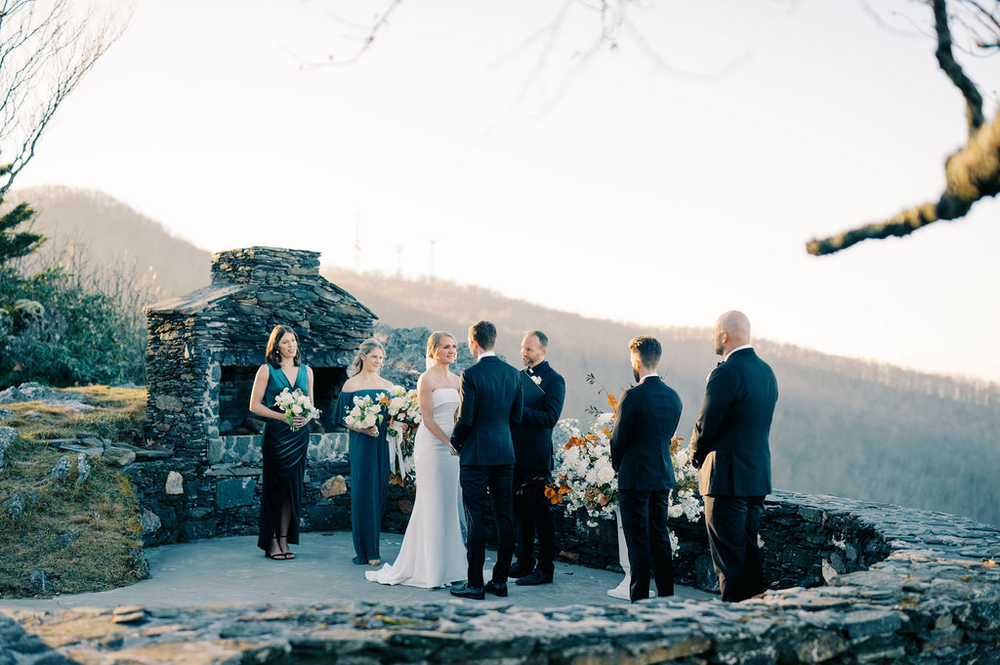
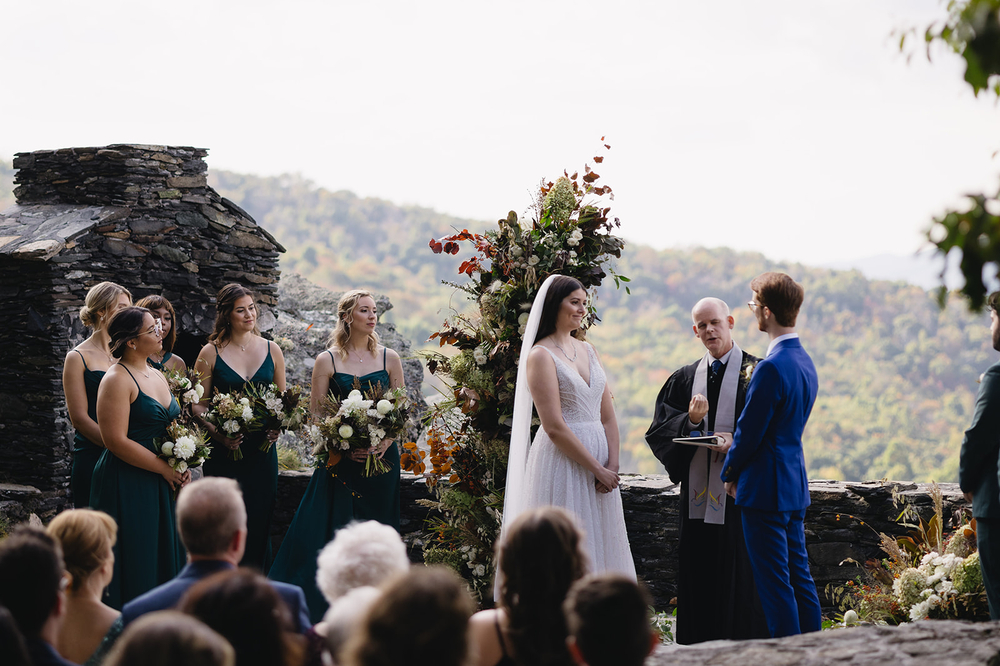
This is where things start to feel just right.
Think 3:30 to 5:00 PM.
The heat starts to ease up. The light softens. People are relaxed, not rushed.
There’s a reason so many weddings happen around this time.
You get:
Comfortable weather
Much better lighting
A natural flow into the cocktail hour and reception
Enough daylight for photos without feeling rushed
It’s kind of the “safe but beautiful” option. Hard to go wrong here.
And honestly? If you’re feeling overwhelmed choosing a time, this is the one most planners will gently guide you toward.
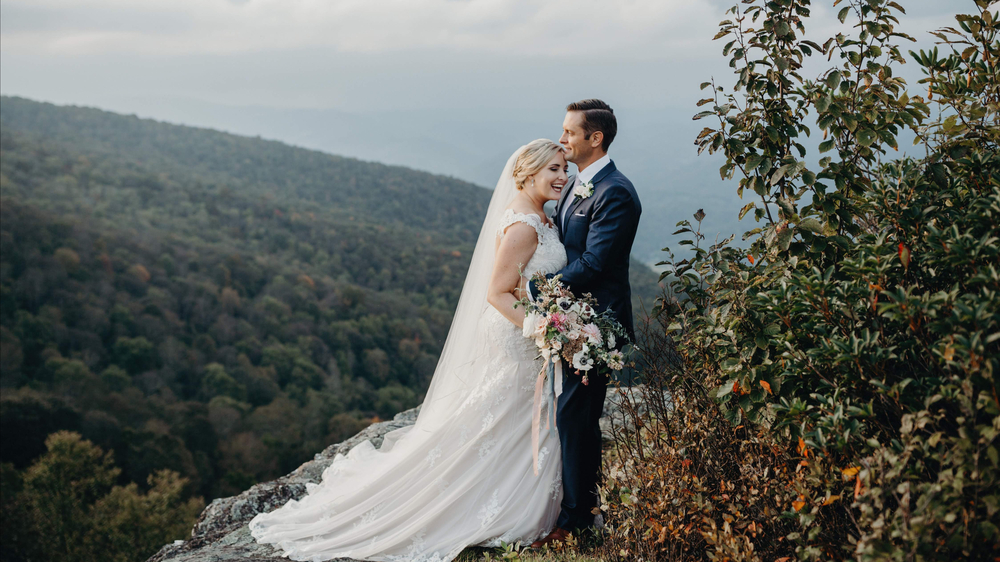
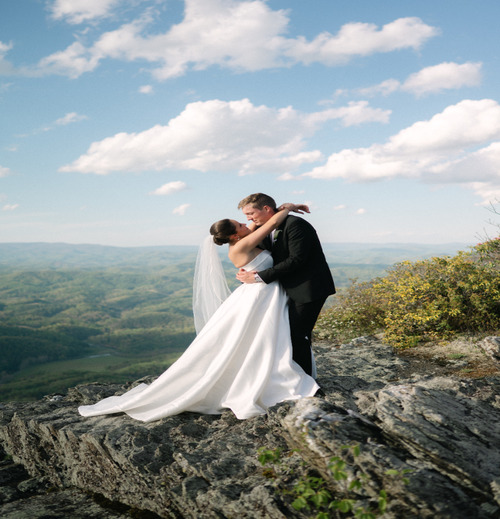
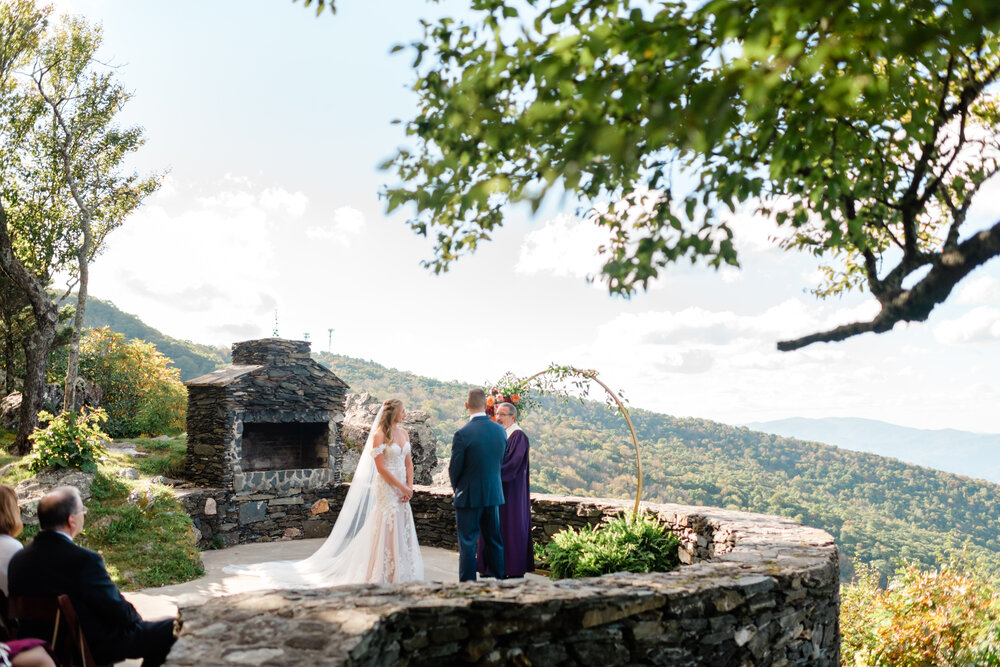
Golden hour: that soft, dreamy glow everyone wants
Okay… this is the one people fall in love with.
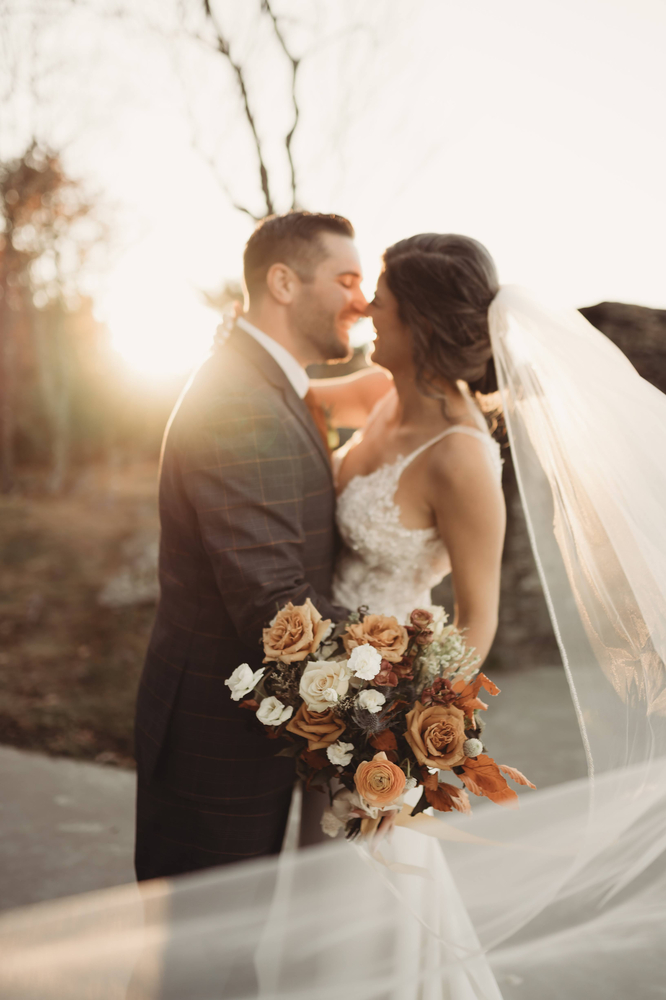
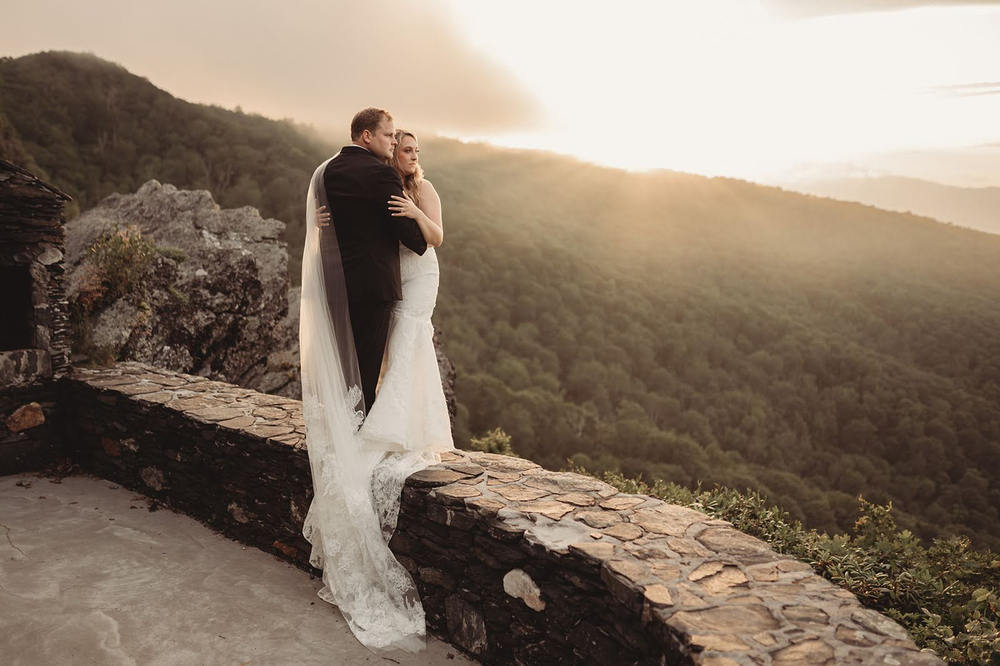
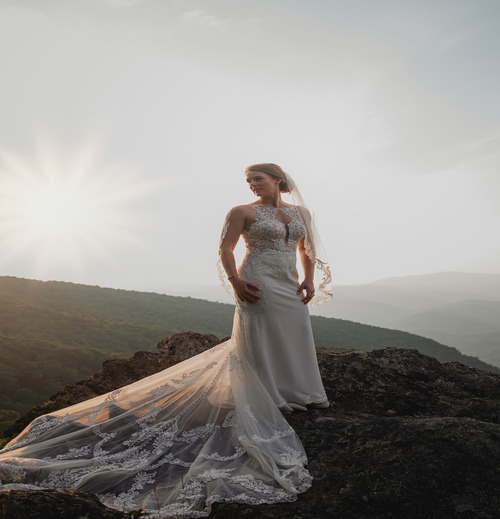
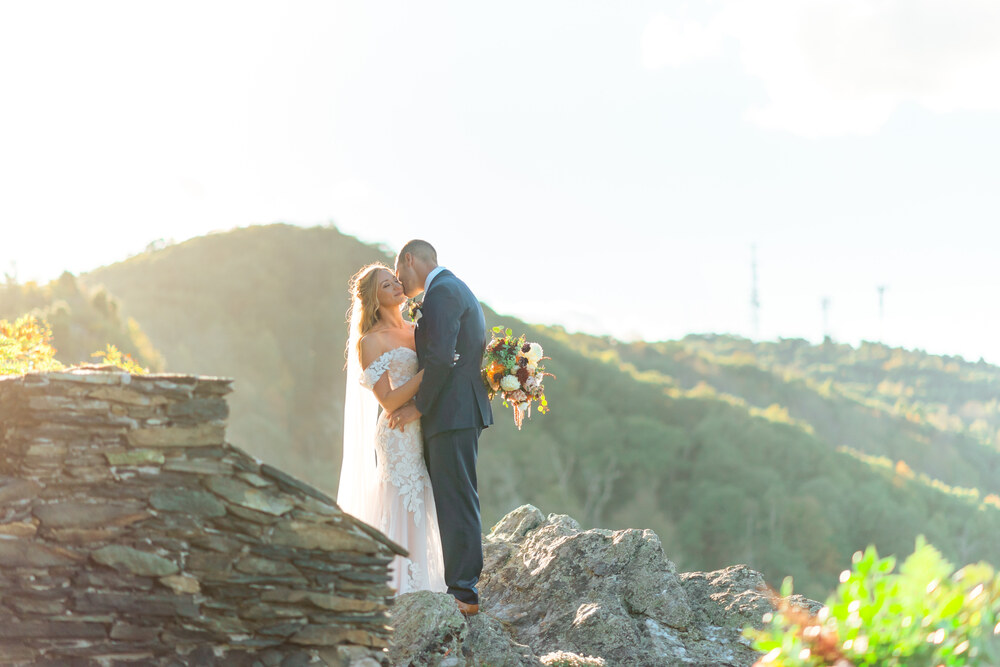
Golden hour is that short window right before sunset. The light turns warm, soft, almost glowy.
You’ve seen it before. It’s the kind of light that makes everything look cinematic without trying.
This is when:
Your photos look unreal (in the best way)
Skin tones look warm and natural
The whole ceremony feels a bit magical
But here’s the catch…Golden hour moves. A lot.
In summer, it might be around 7:30 PM. In the fall, closer to 5:30 PM. So you have to check your actual sunset time.
Also, timelines get tighter. You don’t have hours of daylight to play with.
Still, if photos matter a lot to you (and let’s be real, they usually do), this is hard to beat.
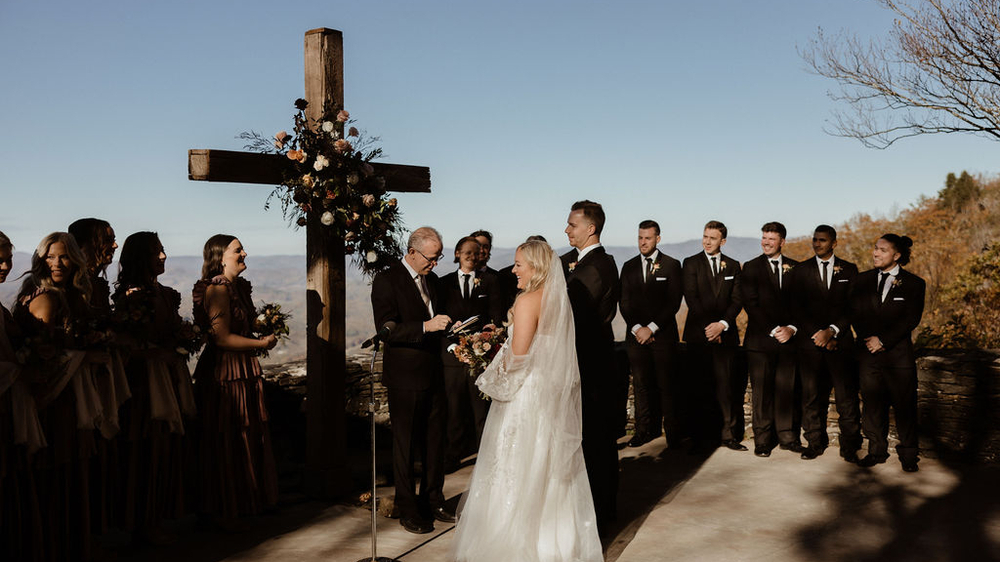
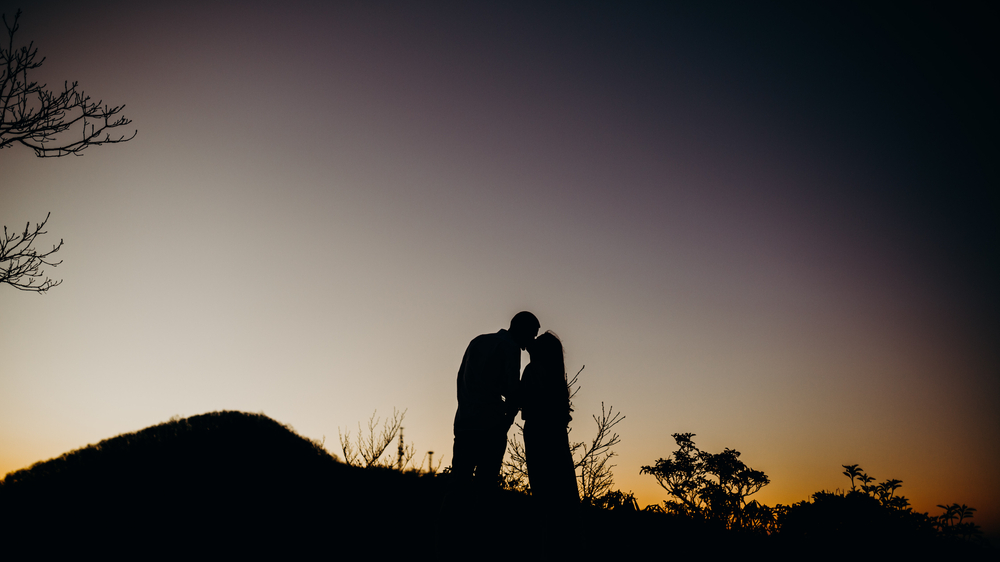
Sunset ceremonies: dramatic, romantic… a little bold
Now imagine saying your vows as the sky shifts colors behind you.
Gold. Pink. Deep blue.
That’s a sunset ceremony.
It’s emotional. It’s dramatic. It feels like a movie scene.
And for some couples, that’s exactly the point.
You get:
A stunning natural backdrop
A really unique atmosphere
That cozy, evening energy right after
But yeah… you’re working with limited time.
Once the sun drops, it gets dark quickly. That means:
Less time for photos
You’ll need good lighting for your reception
Everything has to run on schedule
It’s beautiful. Just not as forgiving if things run late.
The season changes everything (more than you expect)
Here’s something people don’t always realize…The “perfect” time in June is totally different from the perfect time in October.
A quick breakdown:
Spring: The weather can be unpredictable, so late afternoon usually works best.
Summer: It gets hot. Like, really hot. Later ceremonies are way more comfortable.
Fall: Sunset comes earlier, so you’ll want to start sooner than you think.
Winter: Daylight is short. Early afternoon is usually your safest bet.
Basically, your ceremony time isn’t just about preference. It’s about working with the season, not against it.
A few tips that make this way easier
If you’re stuck deciding, here’s what actually helps:
1. Start with sunset time Seriously. Look it up first. Then work backward about 1.5–2 hours.
2. Think about your guests. If they’re sweating or squinting, they’re not fully present. Comfort matters.
3. Talk to your photographer.
They care about light more than anyone. Trust their input.
4. Give yourself breathing room. You don’t want to feel rushed between the ceremony and reception.
5. Visit your venue at that exact time. This one’s underrated. Seeing the light in person changes everything.
So… what’s the “best” time?
Honestly?
There isn’t one perfect answer.
Some couples love the calm of a morning ceremony. Others want that golden hour glow. Some go all in on a dramatic sunset.
The right choice is the one that feels like you.
But if you want the safest, most balanced option?
Late afternoon into golden hour is usually where everything just… clicks.
One last thing
When the light is right, the temperature feels good, and your timeline flows easily, something shifts.
You’re not thinking about logistics anymore.
You’re just there. With your person. In the moment.
And that’s kind of the whole point, right?

Wedding Chicks vendor, Twickenham House created this post. Email [email protected] with a link to the post and any credit changes or additions.
Blog Posts

How To Create A Wedding Guest List Without Stress
How To Prepare Personal Items For The Wedding Day
Why Parking Considerations Matter For Wedding Guests
How To Plan Family And Wedding Party Photos Efficiently
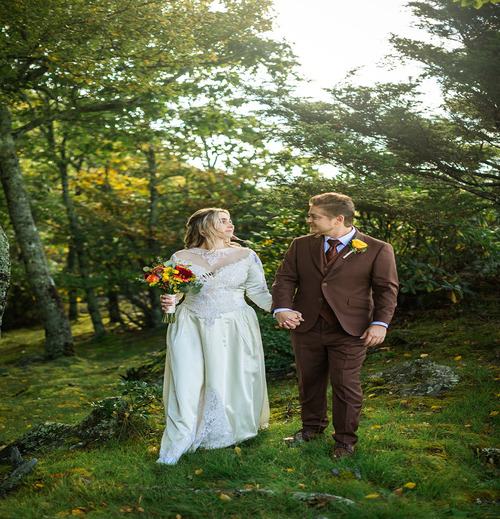
Why Personal Touches Matter More Than Trends
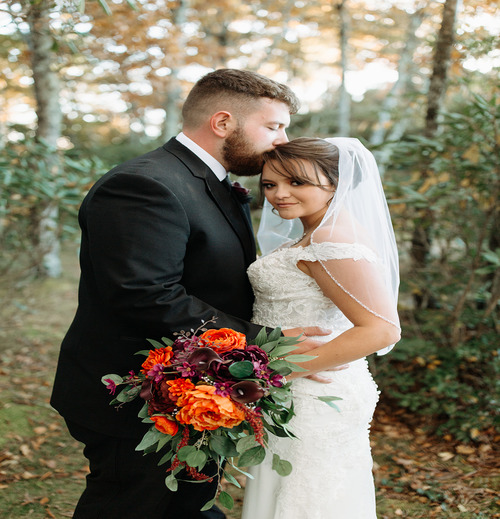
How To Create A Wedding Vision Before Booking Vendors
RELATED STORIES
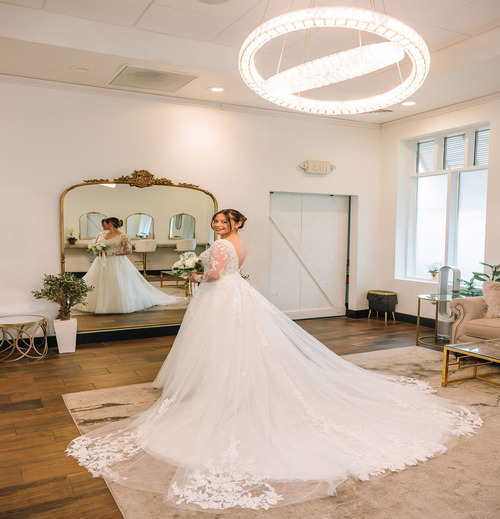
How Choosing The Right Venue Can Save You Thousands
Not all venues are created equally! We are more than a space—we create an experience. Chandelier E...


Send message to
Fill out as much info as you can below to request information from
Link disabled while previewing
The link clicked is disabled when previewing how your profile looks to a couple.

YOUR MESSAGE TO
Twickenham House
HAS BEEN SENT
Manage all your vendor messages in Find Vendors > Proposals

Would you like to receive proposals from
wedding vendors for your up
and coming wedding?
REQUEST QUOTE

FOLLOW US





Login to start conversations.
Create A New Password
Complete the form below to reset your password
You have successfully changed your account password.
You will be able to use your new password for future Wedding.com logins.
If you need more help logging in, please email us and we will be happy to help you
Email [email protected]