





How Floral & Décor Choices Affect Photography For Your Outdoor Wedding
 Back
Back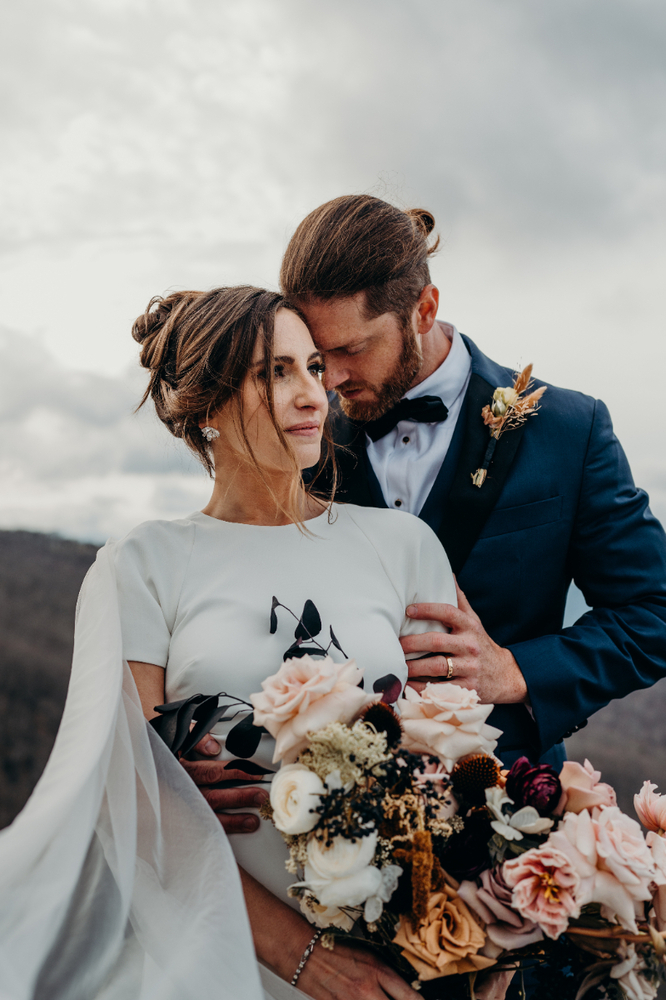

Floral arrangements and décor aren’t just about aesthetics — they play a critical role in your wedding photography, especially for an outdoor wedding. Every petal, centerpiece, and lighting element influences how your day is captured on camera.
At Twickenham House & Hall, a historic wedding venue surrounded by gardens, mountain views, and natural light, we’ve seen how thoughtful planning transforms an outdoor space into a photographer’s dream. From ceremony backdrops to reception tables, every detail matters.
Here’s a comprehensive guide to planning floral and décor choices that will elevate your outdoor wedding photos and create an unforgettable experience for guests.
1. Understand Your Venue & Setting
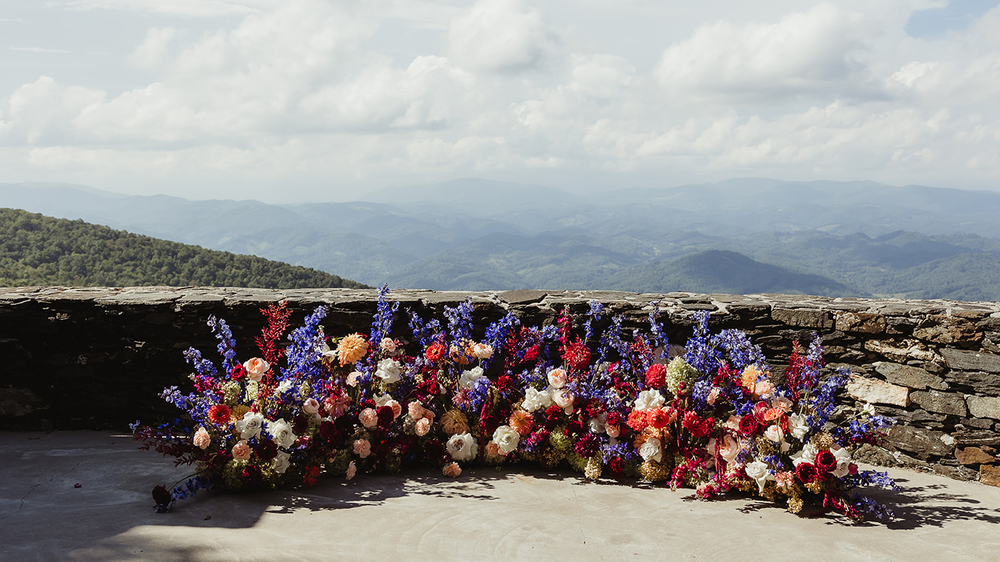
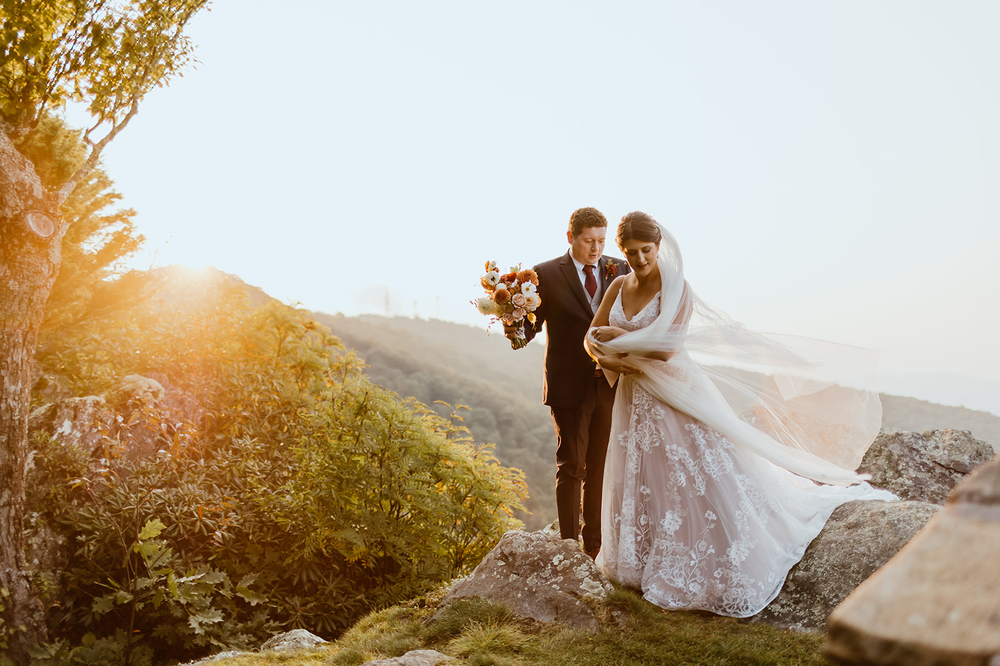
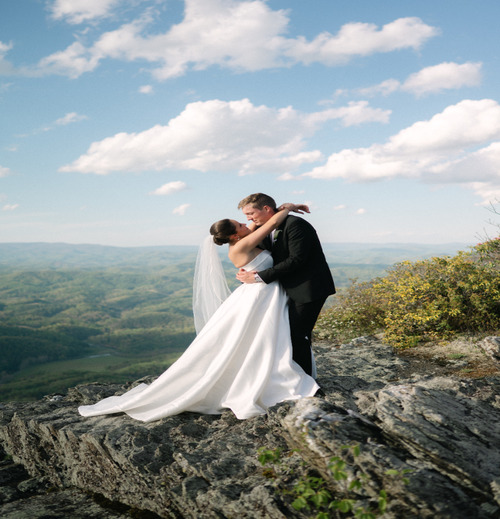
When planning an outdoor wedding, your venue is already part of the décor. At mountain or historic venues like Twickenham House & Hall, natural beauty can reduce the need for excessive embellishments while still creating stunning visuals.
Tips:
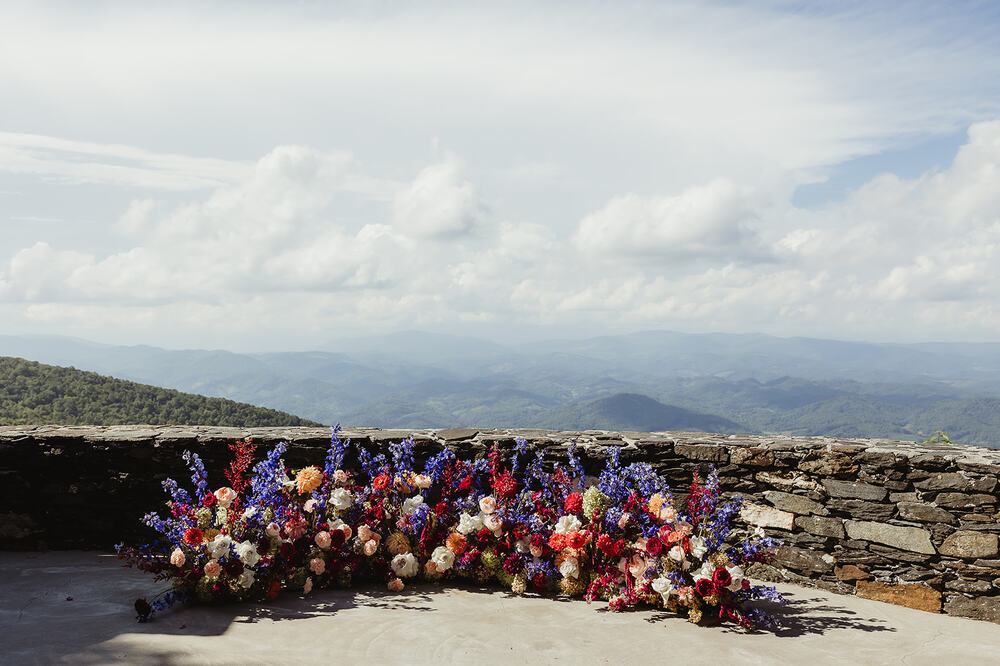
Position your altar or focal points to capture scenic vistas in photos.
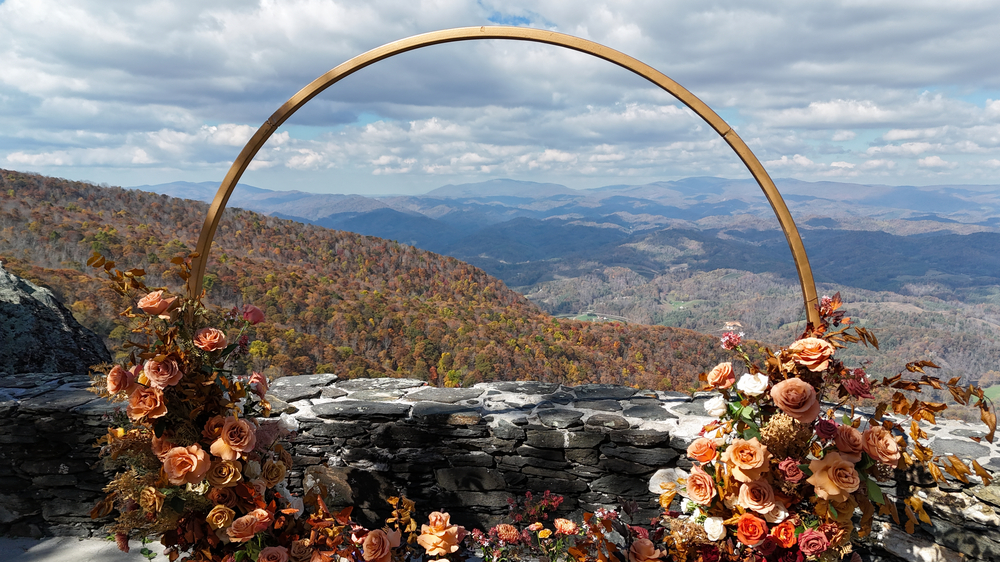
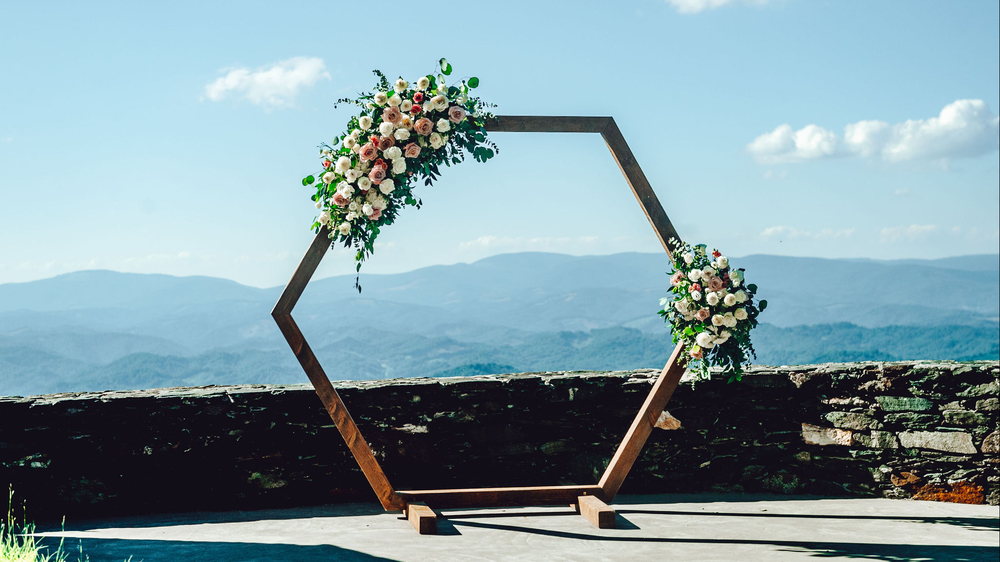
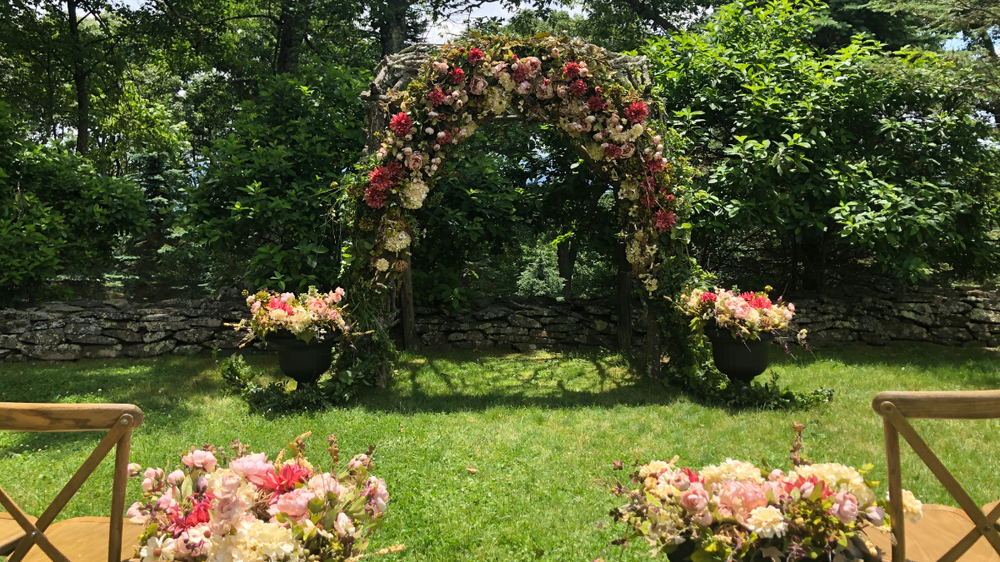
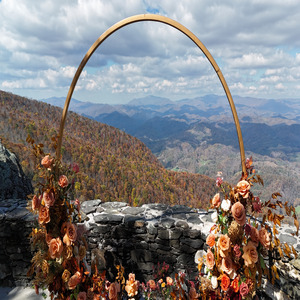
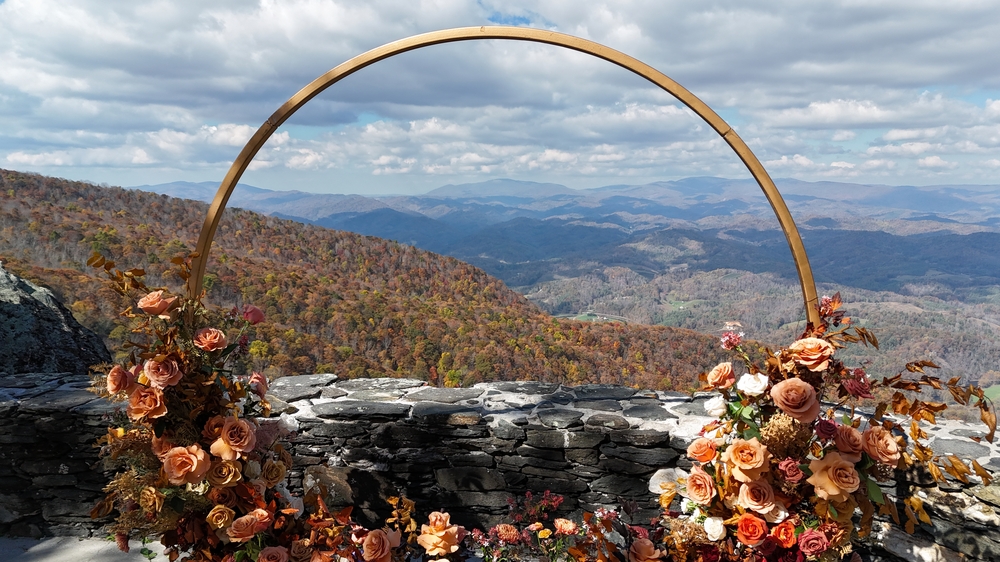
Use the natural architecture, such as historic stone archways or garden trellises, as framing for your ceremony.
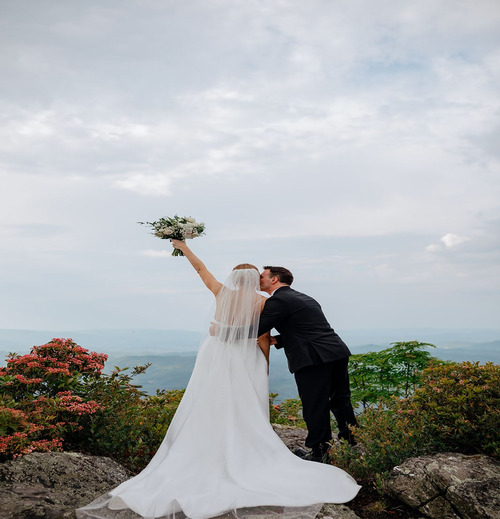
Incorporate seasonal blooms that complement the environment rather than clash with it.
The key is enhancement, not competition. Your flowers and décor should elevate what’s already breathtaking.
3. Scale & Placement of Décor
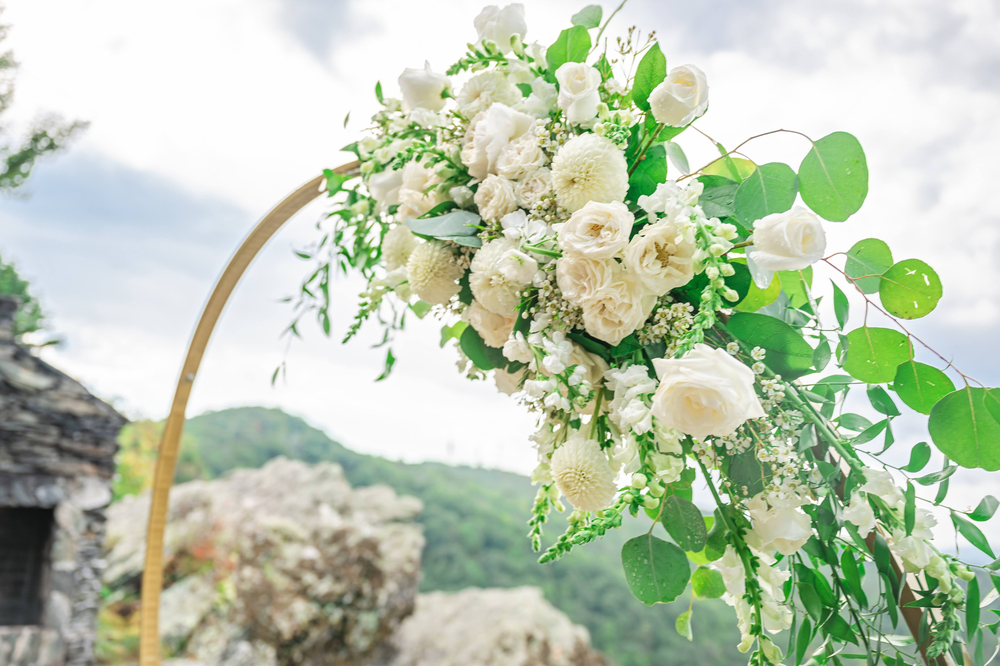
The size and placement of floral arrangements and decorative elements affect both guest experience and photography.
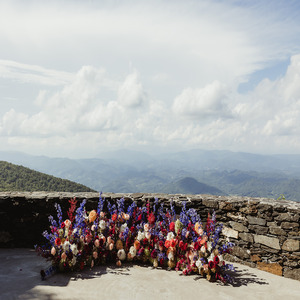
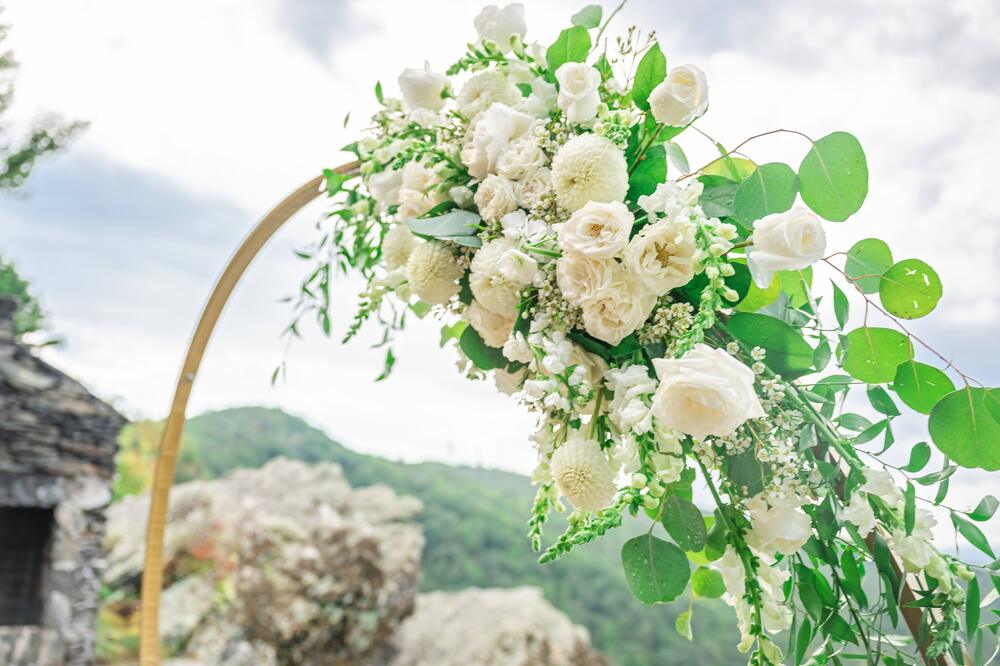
Ceremony décor: Oversized floral arches or aisle arrangements create drama and focus attention on key moments.
Reception décor: Tablescapes, centerpieces, and lounge setups should balance elegance with practicality, allowing guests to interact comfortably.
Pathways & focal points: Consider small accent pieces, like candles, lanterns, or seasonal blooms, along walkways for extra depth in photographs.
Layering height and textures strategically ensures your décor enhances the outdoor space without overwhelming it, giving your photographer the perfect frame for every shot.
4. Layer Lighting With Floral & Décor
Lighting is one of the most powerful tools in outdoor wedding photography. When combined with flowers and décor, it can transform ordinary arrangements into breathtaking visuals.
Lighting strategies:
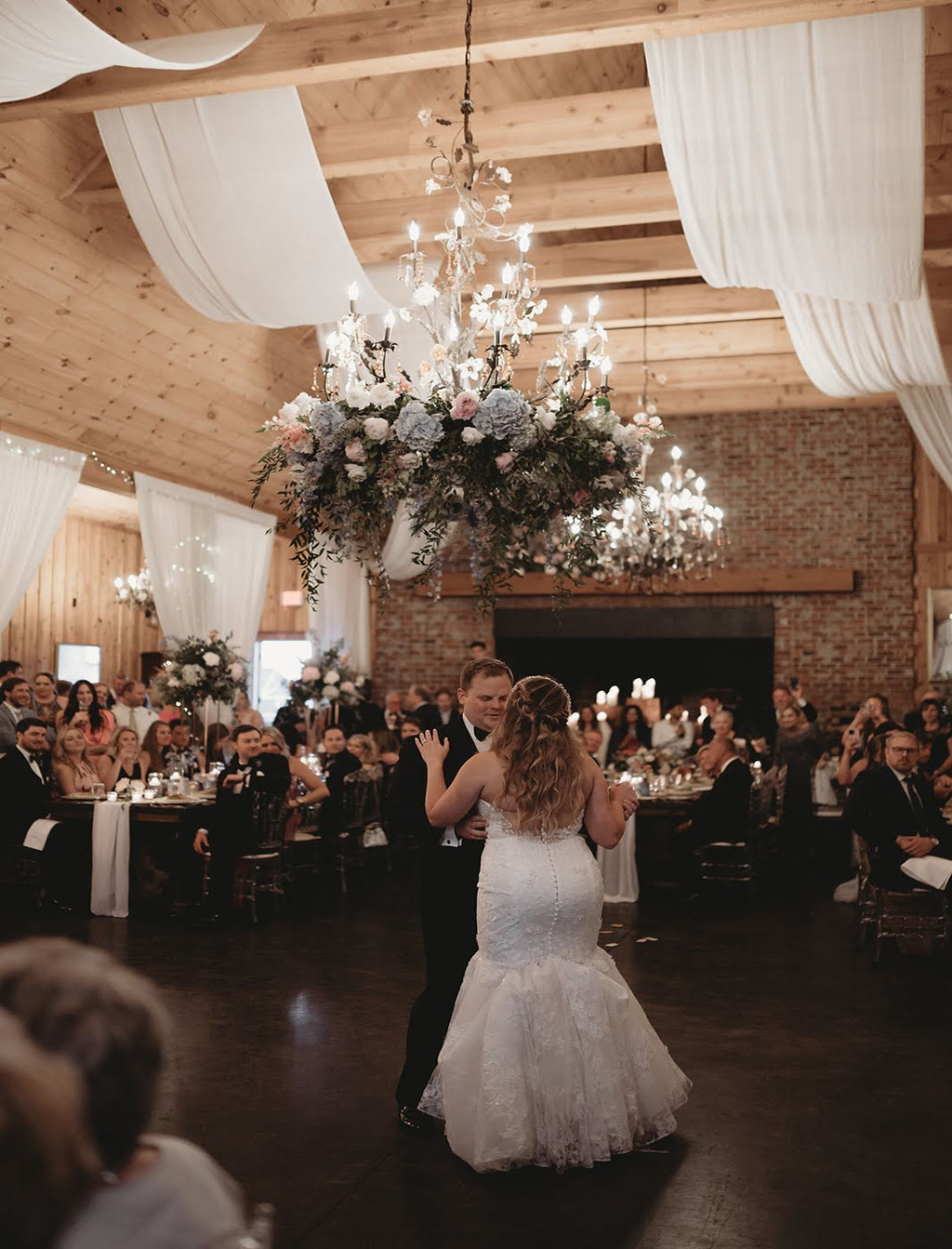
Use string lights, lanterns, or fairy lights to create a romantic glow for evening receptions.
Spotlights or uplighting can highlight floral installations or architectural features of the venue.
Candles or torches along pathways add warmth and intimacy for golden hour or evening shots.
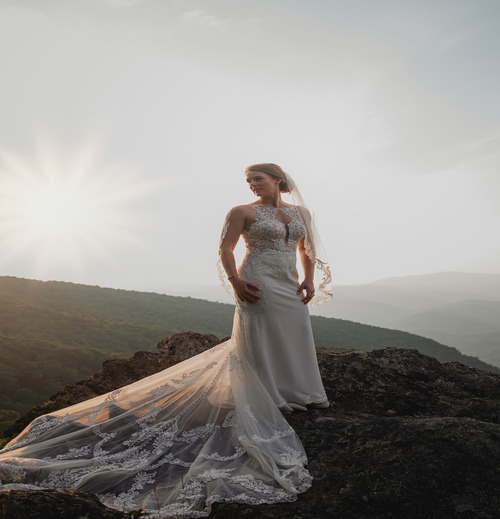
Plan your ceremony timing with sunlight in mind — the soft, natural light of early evening or late afternoon enhances colors and textures.
Proper lighting ensures your outdoor wedding décor not only looks beautiful in person but also photographs flawlessly.

5. Create Multi-Functional Zones
Outdoor weddings often offer larger, more flexible spaces than indoor venues. Using zones creatively ensures both beauty and function.
Examples of zones for photography impact:
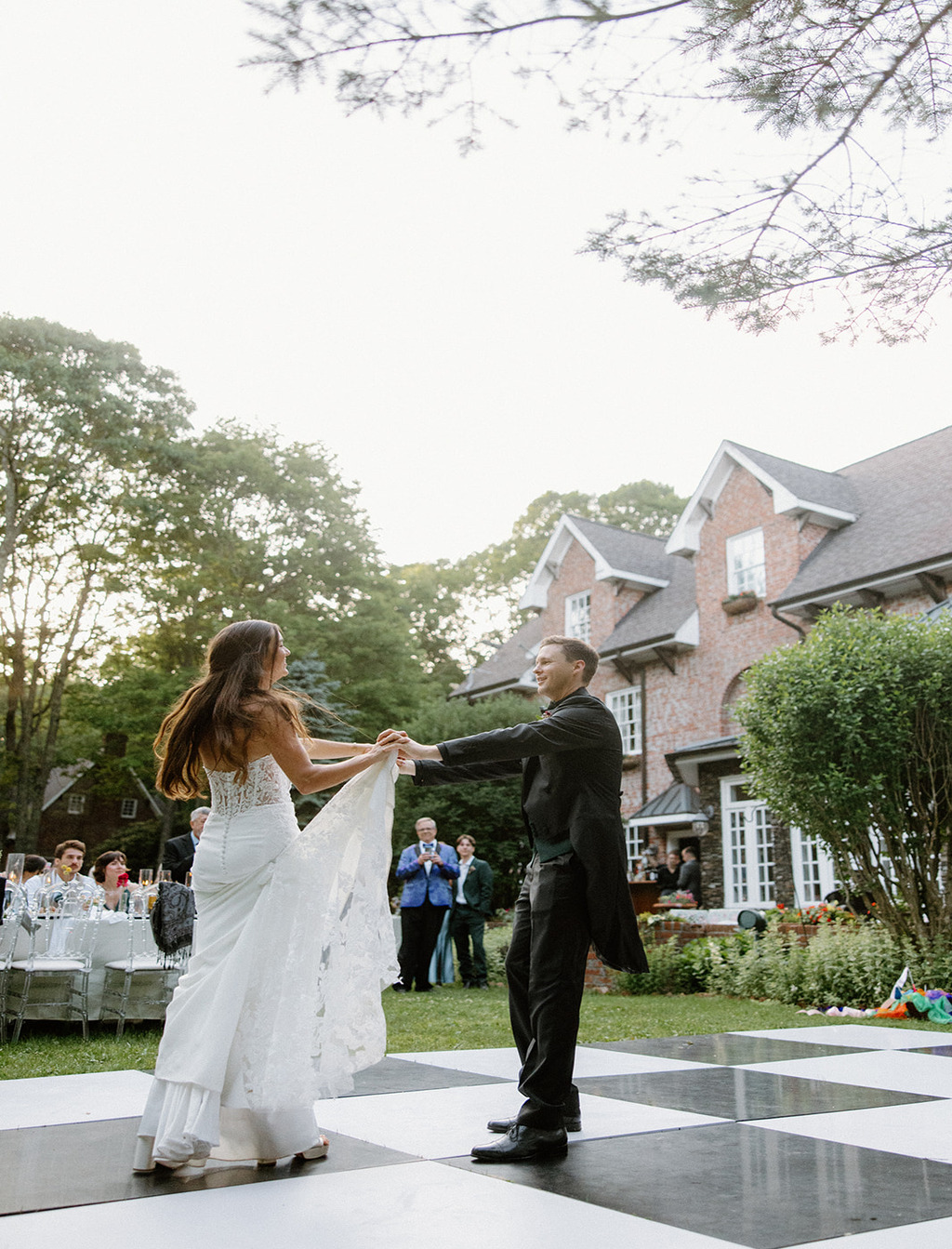
Ceremony → cocktail hour → reception dance floor
Lounge areas for intimate guest photos or candid shots
Dessert or drink stations for fun, colorful photo opportunities
Kids’ areas or interactive elements for playful moments
Multi-functional zones allow guests to explore and interact while giving photographers multiple settings for memorable shots.
6. Incorporate Texture & Seasonal Elements
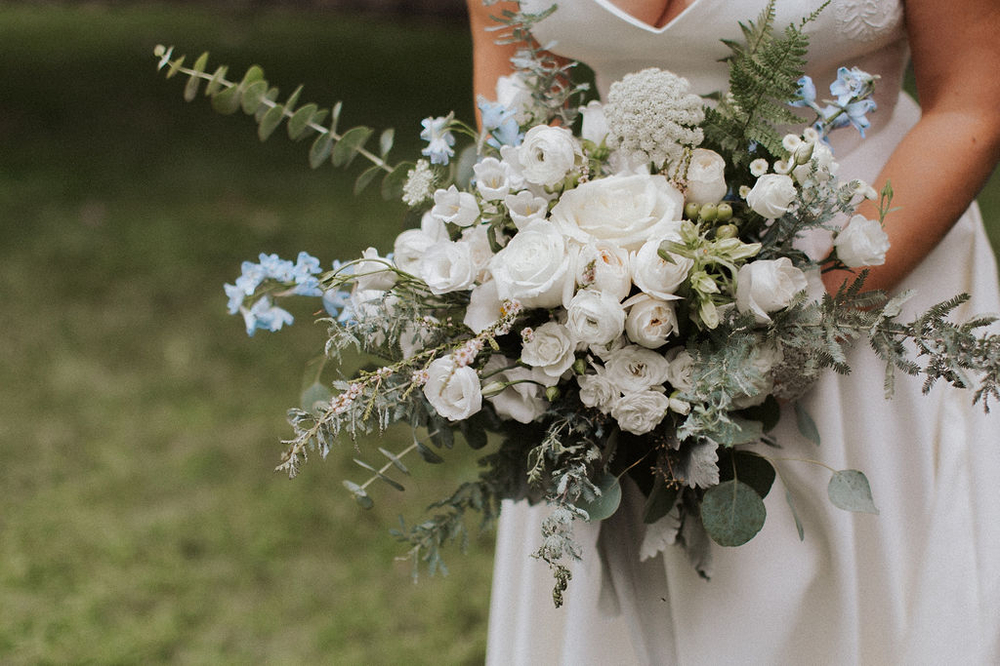
Texture adds depth and interest to both décor and photography. Consider mixing elements like:
Greenery and foliage with soft blooms
Wooden or metallic accents for rustic charm
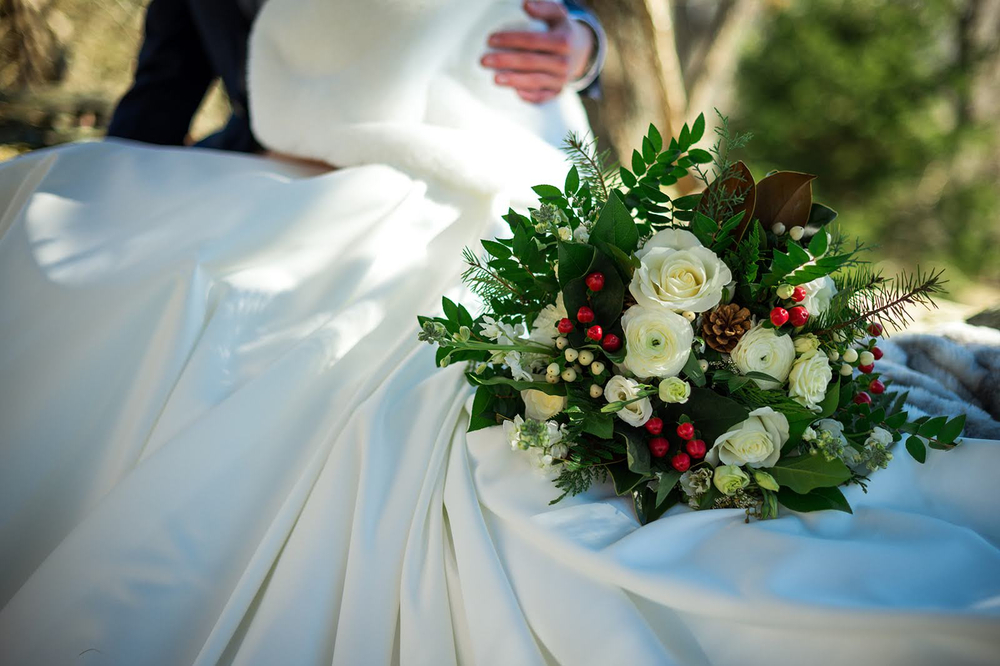
Seasonal flowers that reflect the time of year
Drapery, rugs, or table runners that add layers without overpowering the space
Seasonal touches not only enhance your outdoor wedding aesthetic but also create a cohesive story in your photographs.
7. Plan for Guest Flow & Interaction
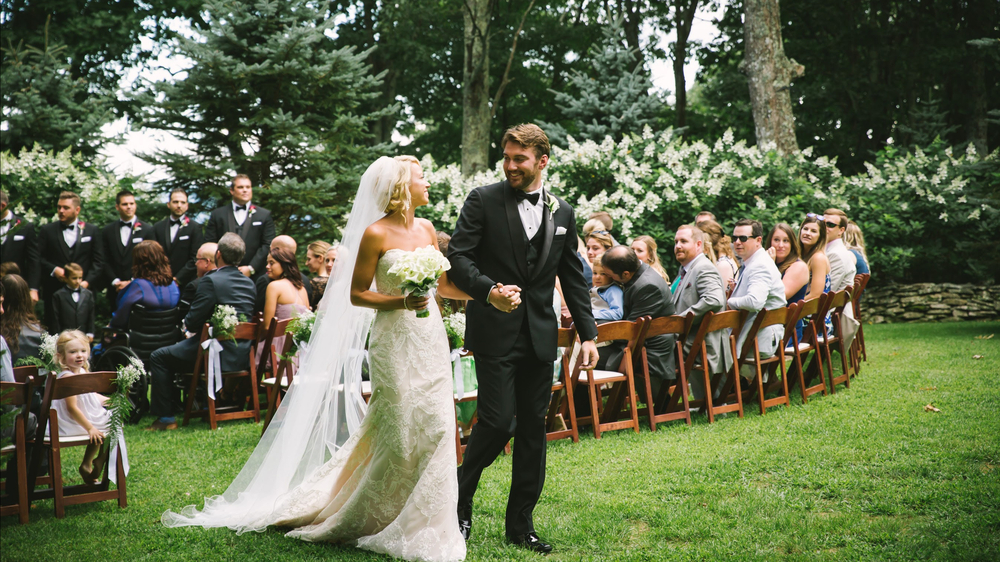
Placement of décor affects how guests move and interact, which directly impacts photography opportunities.
Tips:
Avoid blocking sightlines to focal points like the altar or mountain views.
Create clear pathways to encourage natural movement.
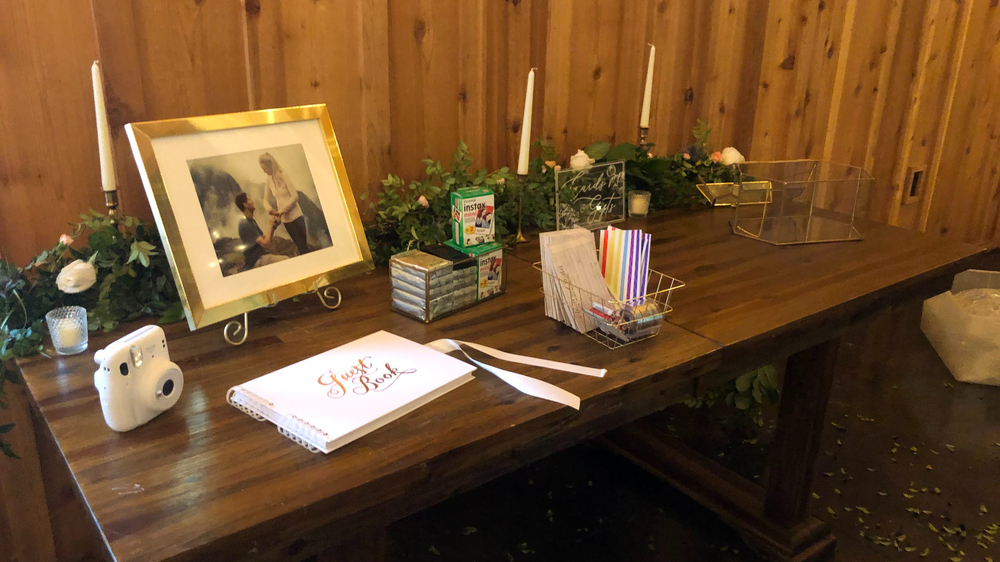
Place interactive décor like guest books, photo stations, or signature cocktail bars in areas where photographers can capture candid moments.
A well-planned flow ensures that guests feel comfortable and the photographer can capture natural, joyful moments throughout the day.
8. Don’t Forget Personal Touches
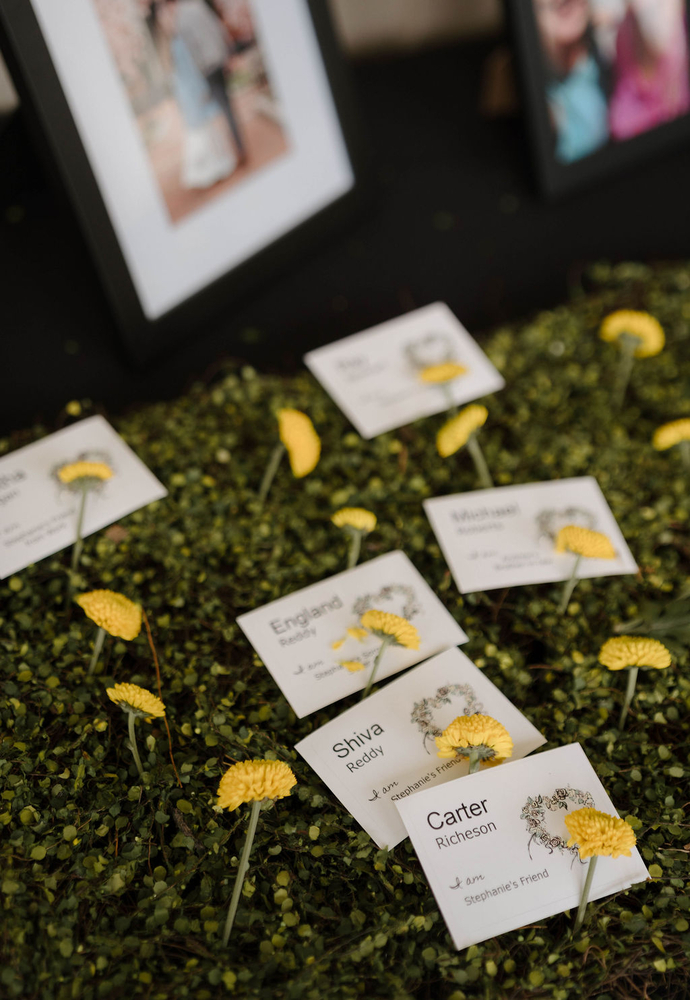
Adding personalized details to your floral and décor choices creates memories and makes your outdoor wedding photos unique.
Ideas:
Custom signage, monograms, or table numbers
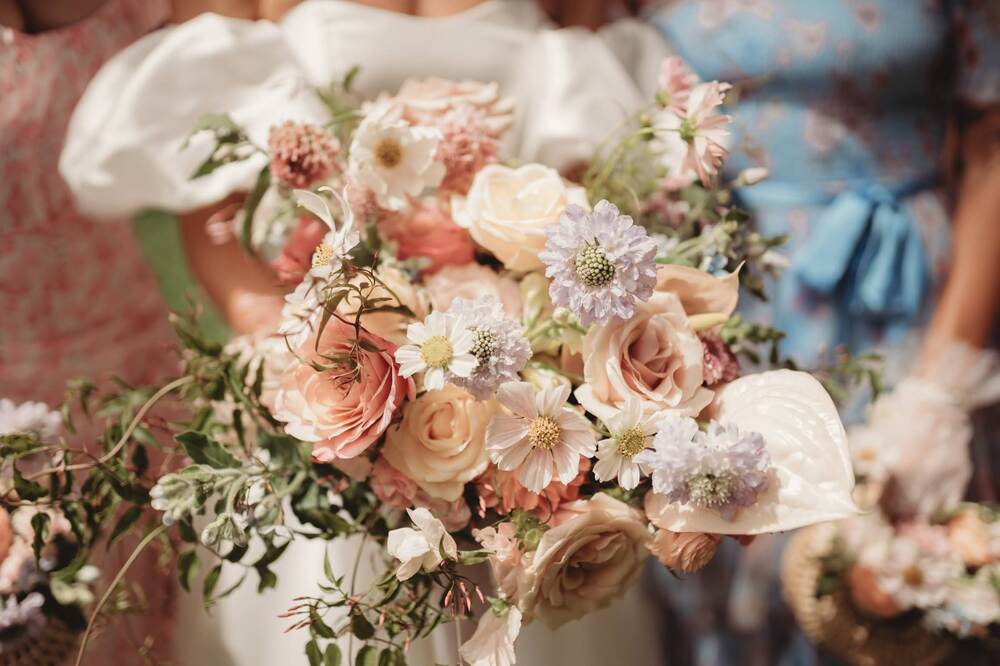
Personalized floral arrangements reflecting your story
Hanging installations with sentimental significance
Family heirlooms or favorite colors incorporated into décor
Personalized touches give your photos emotional depth and make your outdoor wedding truly one-of-a-kind.
9. Collaborate Closely With Your Vendors
An outdoor wedding involves multiple vendors — florist, planner, photographer, and sometimes lighting or tent specialists.
Pro tips:
Share your photography style with your florist and planner.
Schedule a site visit to test lighting and décor placement.
Confirm backup plans for weather or outdoor constraints.
Ask vendors for input on how décor can enhance photography.
Collaboration ensures that every element works together to create a visually stunning and cohesive wedding day.
Final Thoughts:
Floral and décor choices are more than aesthetic; they shape the mood, flow, and photography of your wedding. With careful planning, an outdoor wedding at Twickenham House & Hall can feel effortless, beautiful, and uniquely yours.
From natural backdrops to layered lighting, thoughtful zones, and personalized details, every choice enhances your outdoor wedding photography and creates a day your guests and photographer will never forget.
By planning early, coordinating vendors, and using the venue’s natural charm, couples can design an outdoor wedding that looks incredible in person and in photos — leaving a lasting impression for years to come.

Wedding Chicks vendor, Twickenham House created this post. Email [email protected] with a link to the post and any credit changes or additions.
Blog Posts

How To Create A Wedding Guest List Without Stress
How To Prepare Personal Items For The Wedding Day
Why Parking Considerations Matter For Wedding Guests
How To Plan Family And Wedding Party Photos Efficiently
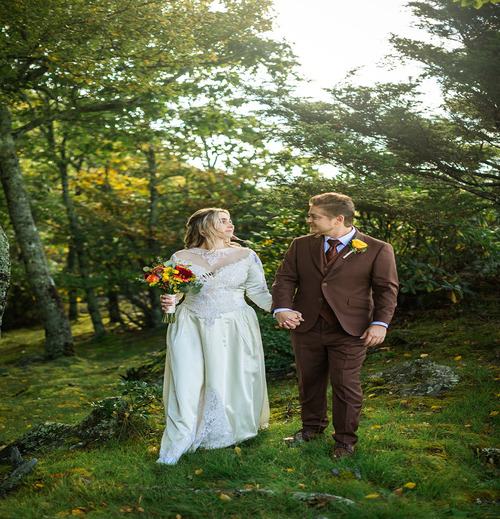
Why Personal Touches Matter More Than Trends
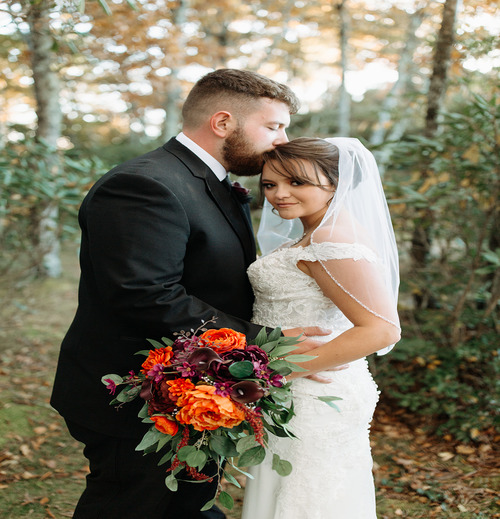
How To Create A Wedding Vision Before Booking Vendors
RELATED STORIES
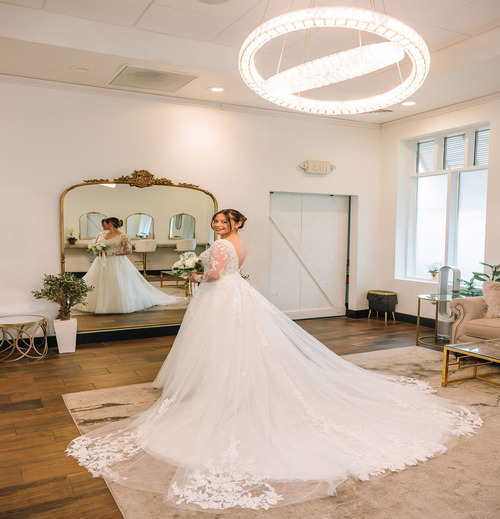
How Choosing The Right Venue Can Save You Thousands
Not all venues are created equally! We are more than a space—we create an experience. Chandelier E...


Send message to
Fill out as much info as you can below to request information from
Link disabled while previewing
The link clicked is disabled when previewing how your profile looks to a couple.

YOUR MESSAGE TO
Twickenham House
HAS BEEN SENT
Manage all your vendor messages in Find Vendors > Proposals

Would you like to receive proposals from
wedding vendors for your up
and coming wedding?
REQUEST QUOTE

FOLLOW US





Login to start conversations.
Create A New Password
Complete the form below to reset your password
You have successfully changed your account password.
You will be able to use your new password for future Wedding.com logins.
If you need more help logging in, please email us and we will be happy to help you
Email [email protected]