





Top Things You’re Going To Wish You Did Early In Your Wedding Planning
 Back
Back

Wedding planning is one of life’s most exciting journeys—but it can also feel overwhelming. Between choosing your dream venue, picking your photographer, and curating every single detail, it’s easy to get swept away by the fun aspects of the day. From our experience at Twickenham House & Hall, the couples who enjoy the smoothest planning process are the ones who tackle a few foundational tasks early on.
If there’s one piece of advice we give all our couples, it’s this: start with the big picture first. Before focusing on flowers, napkin colors, or Pinterest boards, there are some essential steps you’ll wish you had completed right away. In this guide, we’re sharing the top things couples should do early in their wedding planning process—and why these early decisions can make your entire journey easier, more enjoyable, and ultimately more successful.

1. Establish Your Budget
Why Setting a Budget First Matters
Money may not be the most romantic part of wedding planning, but it is undeniably one of the most important. Establishing your budget early ensures you make choices that fit your financial framework and prevent unexpected stress as plans evolve.
Having a clear budget from the start allows you to:
Prioritize what’s most important: Maybe the venue or photography is a must-have, while décor or favors can be adjusted.
Prevent overspending: Without a budget, costs can easily spiral.
Encourage open conversations: Early discussions with family or anyone contributing financially ensure everyone is aligned.
At Twickenham House & Hall, we always recommend that couples draft an initial budget before visiting any venues. This way, they can immediately determine which locations and options are realistic. It also helps couples understand which wedding elements they want to splurge on and where they might save.
How to Approach Budget Planning
Budgeting doesn’t have to be complicated. A few practical steps include:
Estimate Total Costs – Include venue, catering, photographer, décor, attire, and miscellaneous items like transportation or favors.
Break It Into Categories – Allocate percentages to each category (for example, 40% venue/catering, 20% photography/videography, 10% attire, etc.).
Allow a Buffer – Weddings often have unexpected costs; budgeting an extra 10-15% can prevent last-minute surprises.
Track Spending – Use spreadsheets or wedding planning apps to monitor expenses in real time.
Pro Tip: Couples who clearly define a budget before booking vendors feel empowered to make decisions rather than reacting to offers or sales.
2. Book Your Vendor Team Early
Why Vendors Should Be Your Second Priority?
Some of the most memorable elements of your wedding—photography, music, catering, and the venue itself—are dependent on your vendor team. Unfortunately, these professionals often book months or even years in advance.
Booking early gives you the advantage of securing the team that truly aligns with your vision. It’s not just about availability; it’s about fit. When vendors know your style and priorities from the start, your wedding experience is smoother and more cohesive.
Which Vendors Should You Prioritize?
Venue:
The venue is the backbone of your wedding. The right space influences the ceremony flow, guest experience, and even your choice of décor. At Twickenham House & Hall, we see many couples prioritize visiting and booking a venue as soon as possible because popular dates fill up quickly.
Photographer & Videographer:
Photography captures the moments you’ll remember forever. Experienced photographers often book 12–18 months in advance. Selecting your photographer early ensures you get your preferred style, package, and availability.
Caterers and Florists:
Caterers can impact the overall guest experience, while florists define the atmosphere. The earlier you secure them, the more flexibility you have with menu tastings, floral arrangements, and special requests.'
Entertainment:
Whether it’s a live band, DJ, or classical quartet, entertainment sets the tone for your reception. Booking early ensures you get the talent that will energize your day.
Officiants & Planners:
If you’re hiring a wedding planner or officiant, securing them early allows you to build a comprehensive timeline and ensure legal requirements are met without stress.
How to Choose Vendors Efficiently
Start With Recommendations: Seek out trusted sources, online reviews, and portfolio examples.
Schedule Consultations: Meet vendors virtually or in-person to assess compatibility.
Confirm Availability & Contracts: Early booking locks in the date and protects you against price increases.
Pro Tip: Treat your vendor team like a support system. Early collaboration ensures everyone understands the vision and expectations, reducing surprises on the wedding day.
3. Build Your Guest List
Why the Guest List Impacts Everything
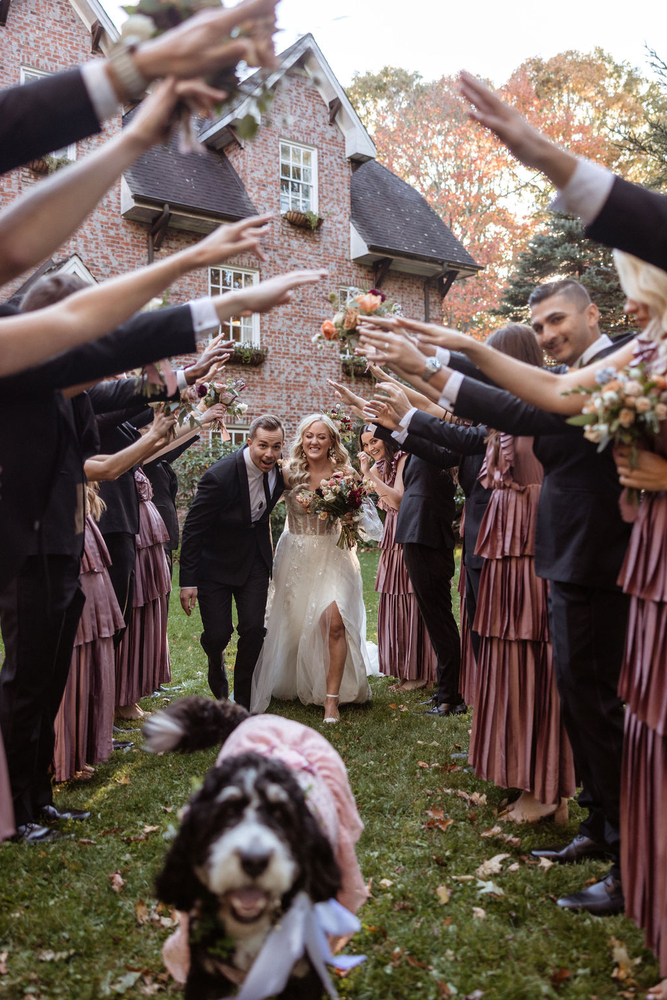
Your guest list may seem like a simple detail, but it directly affects nearly every aspect of your wedding. From catering and rentals to favors and seating arrangements, your headcount shapes both budget and logistics.
Consider these points when starting your guest list:
Budgeting: Every guest adds cost, from food and drinks to rental items.
Venue Fit: The size of your guest list determines which venues are practical. A beautiful, historic estate like Twickenham House & Hall can host intimate or larger gatherings—but knowing the numbers early ensures the right layout and flow.
Timeline Management: Guest invitations, RSVP tracking, and seating charts all require early planning.
Tips for Building Your Guest List
Draft Early: Even a rough initial list helps with budgeting and venue selection.
Prioritize Guests: Categorize family, friends, and must-have VIPs.
Be Realistic: Decide on a guest range early to prevent over-inviting.
Communicate With Family: Ensure contributors or key family members are aligned with guest decisions.
Pro Tip: Revisiting the guest list as your planning progresses is normal. Early drafts don’t have to be final, but starting now reduces last-minute stress.
4. Develop Your Wedding Vision
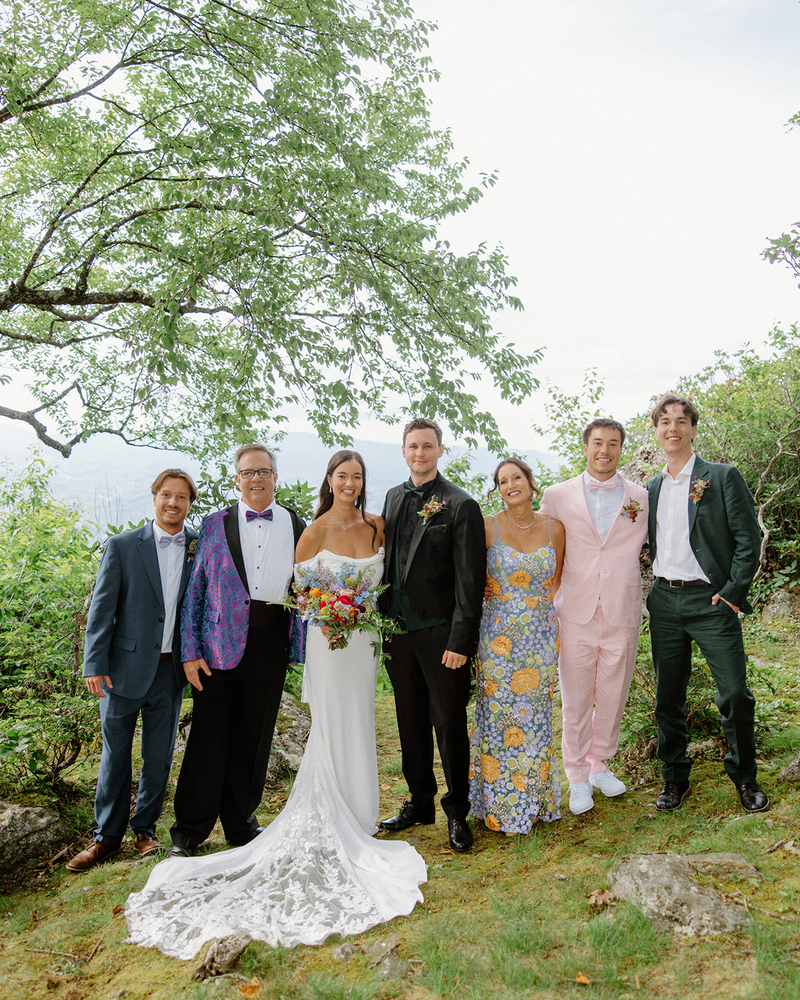
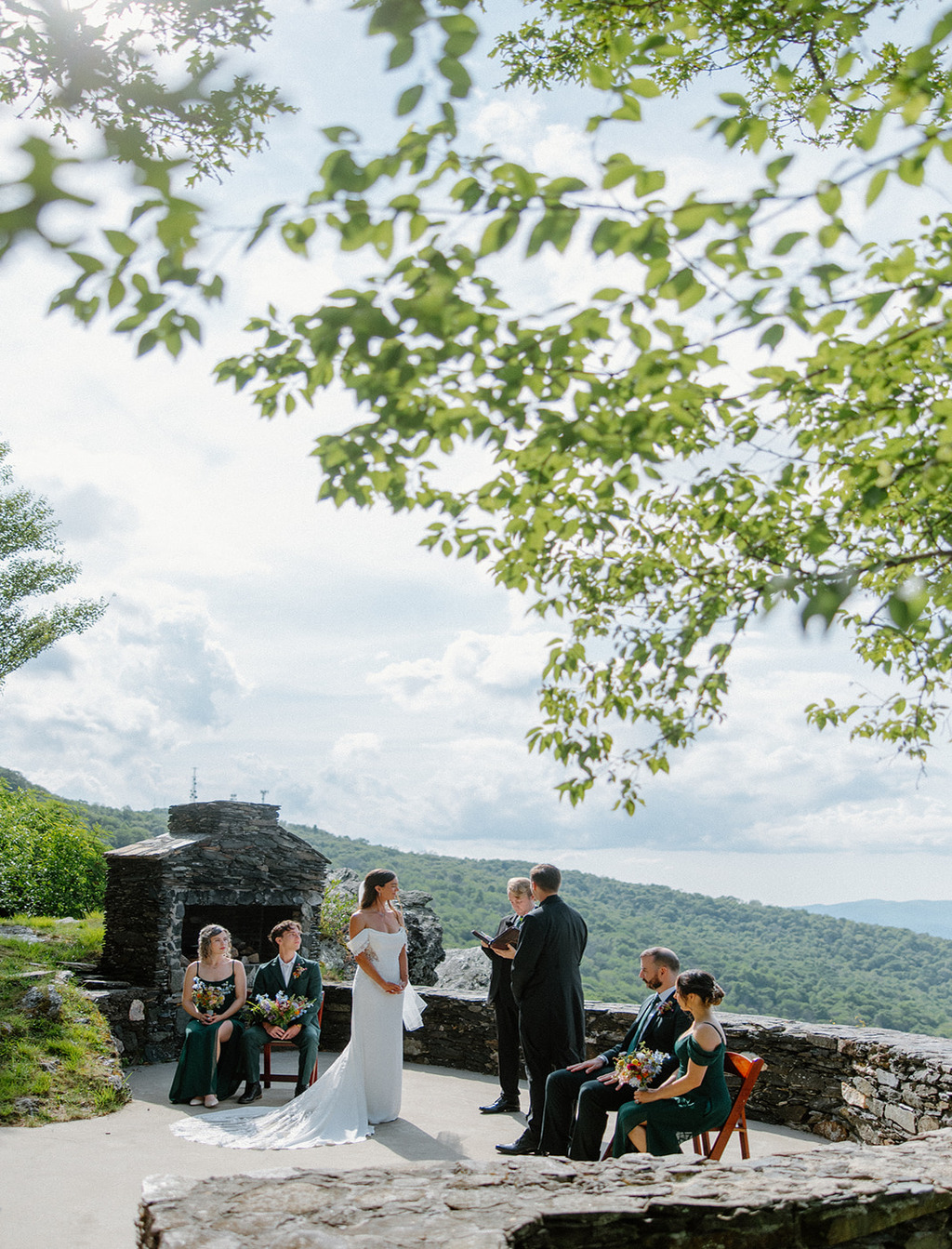
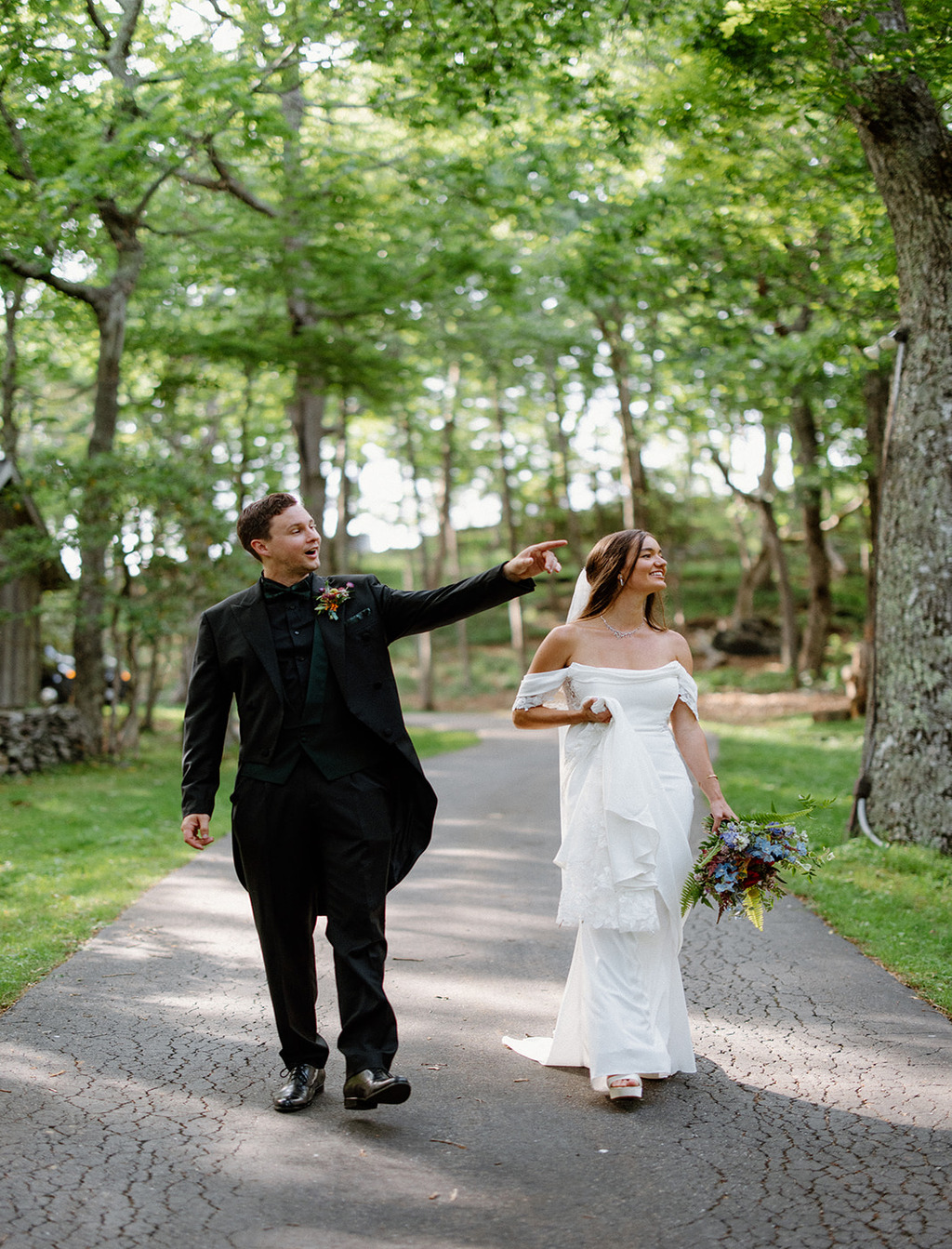
While the big items—budget, vendors, and guest list—lay the foundation, envisioning your wedding style early can help guide your decisions.
Define Your Style: Are you dreaming of a garden wedding, a historic estate vibe, or a classic ballroom celebration?
Create a Mood Board: Collect inspiration for colors, décor, and attire.
Consider the Guest Experience: Think about flow, comfort, and how the day will feel for attendees.
At Twickenham House & Hall, couples who establish a clear vision early find it easier to select décor, choose flowers, and communicate with vendors effectively.
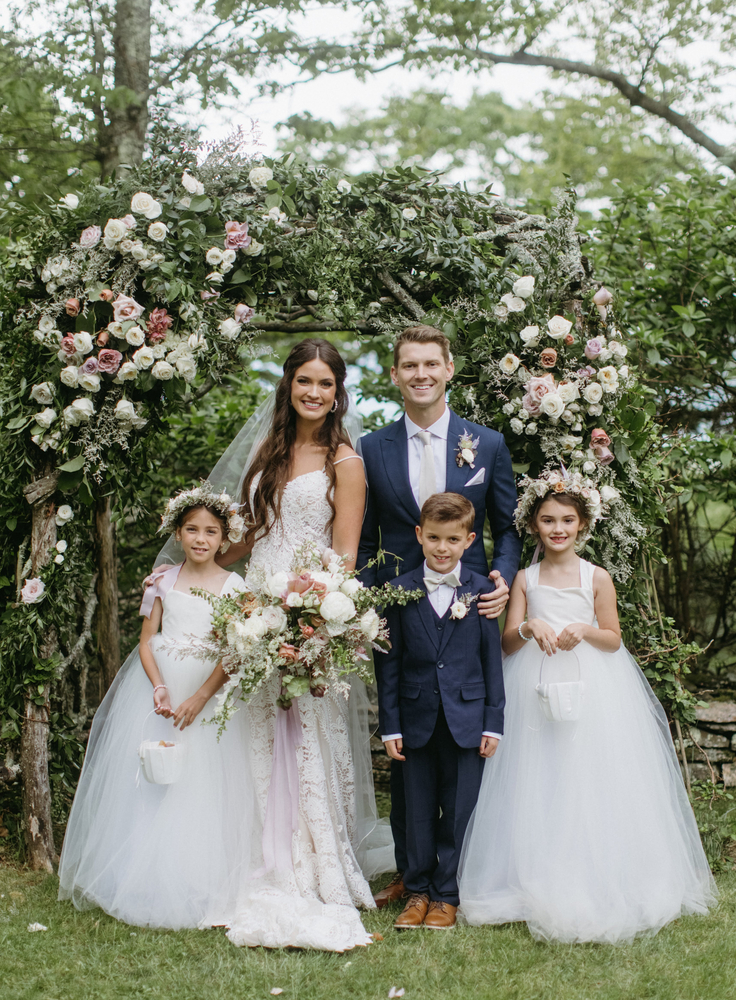
5. Secure Key Dates and Timeline
Knowing your wedding date early helps all other planning pieces fall into place. Popular dates fill up quickly, especially for venues with limited availability.
Lock in the Venue: Once booked, vendors can coordinate around your date.
Build a Timeline: Map out when invitations, dress fittings, and other milestones will happen.
Reserve Accommodation Early: For destination weddings or venues in high-demand areas, early hotel bookings save your guests stress.
Pro Tip: A flexible date can sometimes give you better vendor options, but securing a target date early helps set expectations for your team.
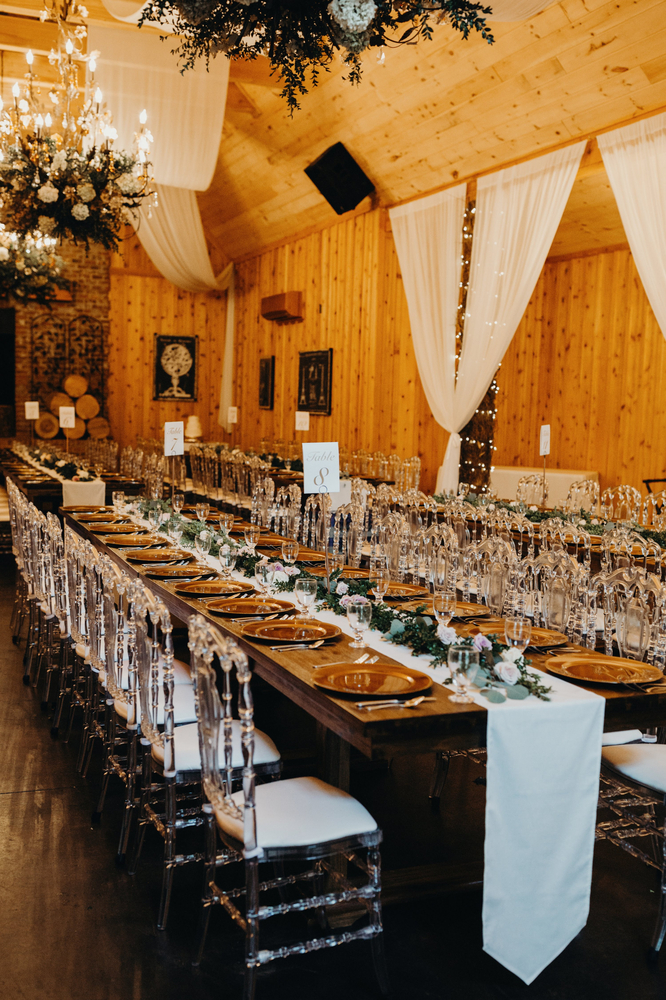
6. Decide on Wedding Priorities
Every couple has a few must-haves.
Identifying these early helps guide budget allocation and planning decisions.
Photography or videography focus?
Signature food or cocktail experience?
Entertainment priorities?
When you know what matters most, you can allocate resources wisely and avoid overspending on lower-priority elements.
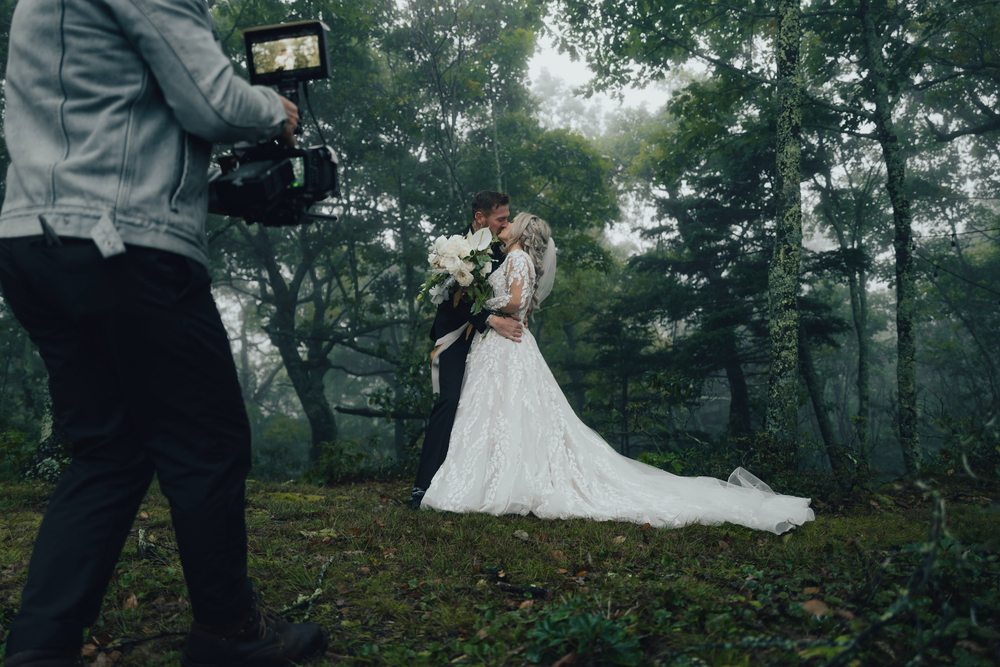
7. Explore Vendor Packages
Some vendors, including venues, offer all-inclusive packages. Early exploration ensures you understand:
What’s included in each package
Flexibility for customization
Hidden fees or surcharges
Understanding packages early allows you to make informed decisions and avoid surprises later.
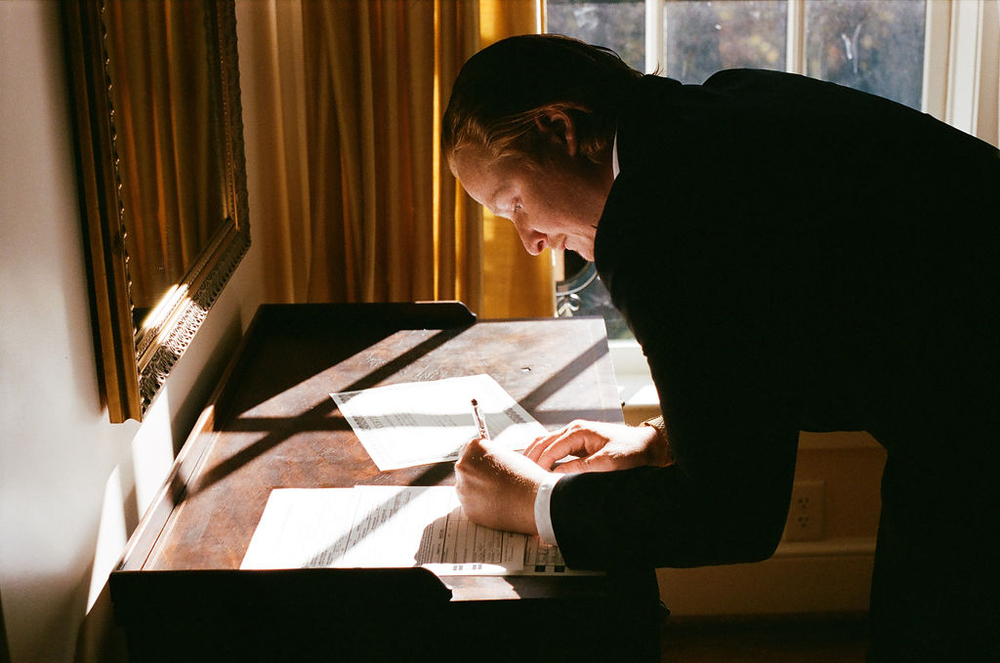
8. Start Thinking About Legal & Logistical Requirements
Marriage licenses, permits, and local regulations may take time to process. Handling these early:
Ensures you don’t miss deadlines
Reduces stress closer to the wedding date
Gives you peace of mind knowing everything is compliant

9. Schedule Regular Check-Ins With Your Planner
If you have a wedding planner or coordinator, schedule early meetings. They provide invaluable guidance and help keep all tasks on track.
Review the budget
Confirm vendor bookings
Adjust the timeline
Coordinate with the venue
Regular check-ins create continuity and prevent last-minute issues.
10. Enjoy the Process!
Finally, while these foundational tasks are important, don’t forget to enjoy your engagement. Early planning may feel structured, but it gives you the freedom later to focus on the fun details: flowers, décor, napkin colors, entertainment choices, and personal touches that make your wedding uniquely yours.
Final Thoughts
Wedding planning is a journey. Couples who tackle foundational elements like budgeting, vendor booking, and guest list creation early experience less stress and more control. By setting up your planning process thoughtfully, the remainder of the journey becomes a joyful experience.
At Twickenham House & Hall, we’ve seen firsthand how couples who focus on the essentials early enjoy a smoother path to their dream wedding. Planning is easier, decisions feel confident, and when the big day arrives, everything flows beautifully—leaving you to focus on celebrating with the people you love.

Wedding Chicks vendor, Twickenham House created this post. Email [email protected] with a link to the post and any credit changes or additions.
Blog Posts
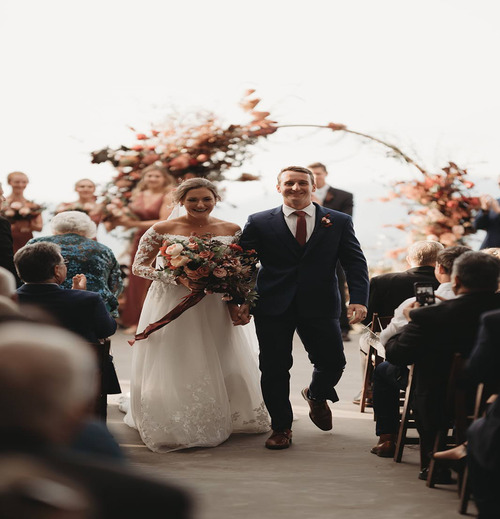

Fall Wedding Menu Ideas For A Seasonal Celebration
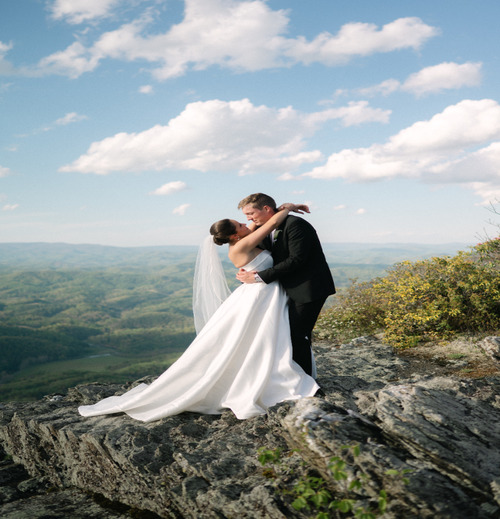
How To Create A Wedding Guest List Without Stress
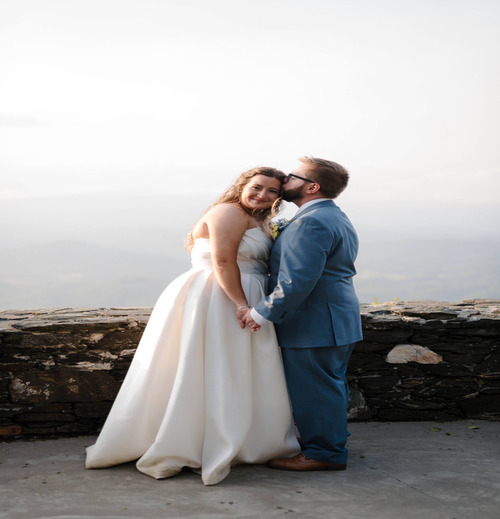
How To Prepare Personal Items For The Wedding Day
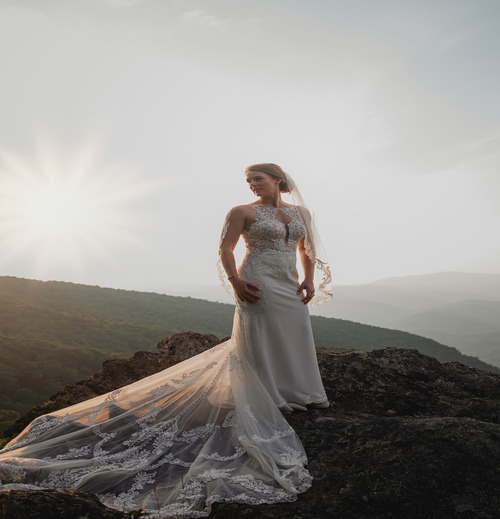
Why Parking Considerations Matter For Wedding Guests
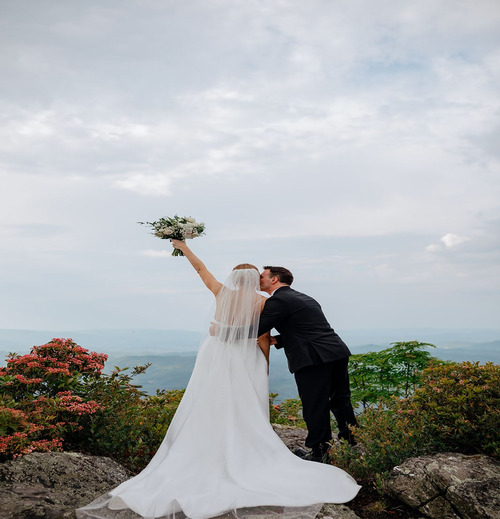
How To Plan Family And Wedding Party Photos Efficiently
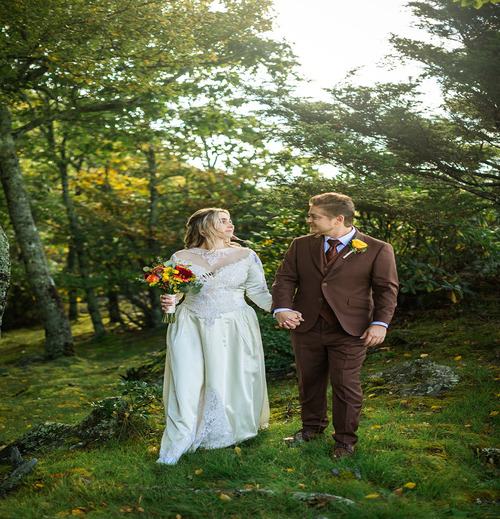
Why Personal Touches Matter More Than Trends
RELATED STORIES
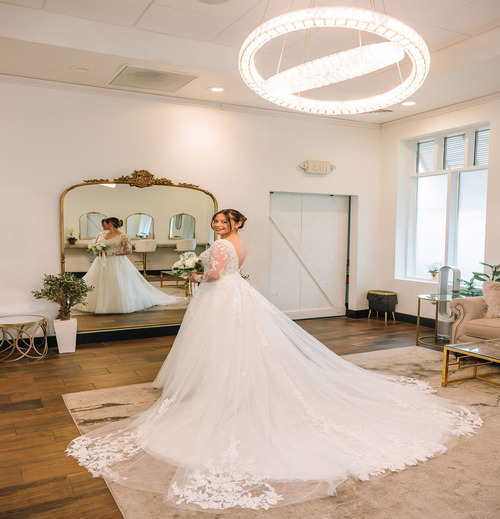
How Choosing The Right Venue Can Save You Thousands
Not all venues are created equally! We are more than a space—we create an experience. Chandelier E...


Send message to
Fill out as much info as you can below to request information from
Link disabled while previewing
The link clicked is disabled when previewing how your profile looks to a couple.

YOUR MESSAGE TO
Twickenham House
HAS BEEN SENT
Manage all your vendor messages in Find Vendors > Proposals

Would you like to receive proposals from
wedding vendors for your up
and coming wedding?
REQUEST QUOTE

FOLLOW US





Login to start conversations.
Create A New Password
Complete the form below to reset your password
You have successfully changed your account password.
You will be able to use your new password for future Wedding.com logins.
If you need more help logging in, please email us and we will be happy to help you
Email [email protected]